

Net Carbs in Fruits: The Ultimate Scientific Guide for Health-Conscious Eaters
October 25, 2025 | by robbeaux
Table of Contents
- What Are Net Carbs in Fruits and Why Do They Matter?
- The Science Behind Net Carbs in Fruits
- Detailed Comparison: Net Carbs in Common Fruits
- Glycemic Index and Net Carbs in Fruits
- Net Carbs in Fruits: Berries as Low-Carb Champions
- Net Carbs in Fruits: Tropical Varieties
- Net Carbs in Fruits: Stone and Pome Varieties
- Net Carbs in Fruits: Citrus Options
- Net Carbs in Fruits: Fresh vs. Dried Comparison
- Common Mistakes Calculating Net Carbs in Fruits
- Practical Tips for Managing Net Carbs in Fruits
- Conclusion: Making Smart Choices About Net Carbs in Fruits
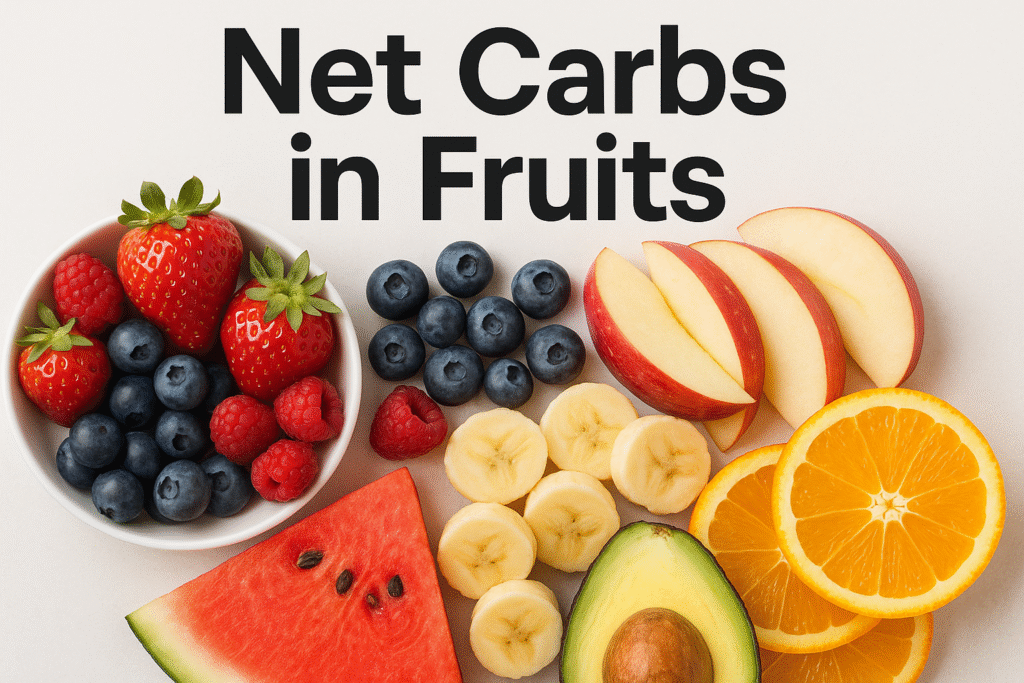
Fruits are universally celebrated as a cornerstone of a healthy diet, packed with vitamins, minerals, and antioxidants that support overall wellness. However, for those following low-carb, ketogenic, or carb-conscious lifestyles, the natural sugar content in fruit can present a significant challenge. The key to enjoying fruit without derailing your dietary goals lies in understanding net carbs in fruits. This comprehensive guide provides a science-backed exploration of net carbs in fruits, helping you understand net carbs in fruits, empowering you to make informed choices that align with your health objectives while still enjoying nature’s sweetest offerings.
What Are Net Carbs in Fruits and Why Do They Matter?
When calculating net carbs in fruits, the term “net carbs” refers to the carbohydrates that your body can actually digest and convert into glucose, which directly affects blood sugar levels. Unlike total carbohydrates listed on nutrition labels, net carbs in fruits account for the fact that not all carbohydrates have the same metabolic impact. The calculation is elegantly simple yet profoundly important for anyone monitoring their carbohydrate intake.
📊 Net Carbs Formula:
Net Carbs = Total Carbohydrates – Dietary Fiber
When evaluating net carbs in fruits, fruits contain natural sugars including fructose, glucose, and sucrose, but they are also rich sources of dietary fiber. The human digestive system lacks the enzymes necessary to break down dietary fiber, which means fiber passes through the gastrointestinal tract largely intact without causing significant increases in blood glucose levels. By subtracting fiber from total carbohydrates, we arrive at a more accurate representation of a fruit’s actual impact on blood sugar and insulin response. This distinction about net carbs in fruits becomes particularly critical for individuals managing diabetes, insulin resistance, metabolic syndrome, or following ketogenic dietary protocols.
Recent scientific research strongly validates this approach to carbohydrate counting. A groundbreaking 2025 study published in the peer-reviewed journal Foods examined the relationship between various carbohydrate components in fruits and their glycemic response. The researchers found that the carbohydrate-to-fiber ratio in fruits demonstrated a significantly stronger correlation with glycemic response (R = 0.57, p < 0.0001) than glucose content alone. This research provides compelling evidence that focusing on net carbs in fruits offers a more accurate predictor of metabolic impact. Understanding net carbs in fruits of metabolic impact than simply looking at total carbohydrate content.
🔍 Avoid guesswork with net carbs in fruits
Search our database of 300,000+ foods with verified net carbs →
The Science Behind Net Carbs in Fruits
Understanding the science behind net carbs in fruits requires a deeper appreciation of the complex interplay between different types of sugars and fiber. Fruits contain a unique blend of simple sugars, with the proportions varying dramatically from one fruit species to another. These variations influence not only the sweetness and flavor profile of each fruit but also their metabolic effects on the human body.
The three primary sugars found in fruits are fructose, glucose, and sucrose (which is itself a disaccharide composed of one fructose molecule bonded to one glucose molecule). Fructose, often called fruit sugar, is the sweetest of the naturally occurring sugars and is metabolized primarily in the liver. Glucose is the body’s preferred energy source and directly raises blood sugar levels. The ratio of fructose to glucose varies considerably across different fruits. Apples, for instance, have a high fructose-to-glucose ratio of approximately 3:1, which contributes to their pronounced sweetness. Bananas maintain a more balanced ratio and also contain resistant starch that gradually converts to glucose during the ripening process.
Dietary fiber serves as the crucial counterbalance when calculating net carbs in fruits to these natural sugars, and it exists in two distinct forms, each with unique properties and health benefits. Soluble fiber dissolves in water to form a viscous, gel-like substance in the digestive tract. This gel slows the rate of gastric emptying and the absorption of nutrients, including sugars, leading to a more gradual and sustained increase in blood glucose levels rather than sharp spikes. Insoluble fiber, conversely, does not dissolve in water but instead adds bulk to the stool and promotes regular bowel movements, supporting overall digestive health.
📚 Research Insight:
A landmark 2018 study published in Nutrients examined the health effects of whole fruits and fruit fiber across multiple populations. The researchers found that consuming whole fruits rich in fiber provides numerous health benefits, including improved gut microbiome diversity, enhanced long-term weight management, and reduced risk of chronic diseases such as type 2 diabetes and cardiovascular disease. However, the study also revealed a concerning trend: “Less than 10% of most Western populations consume adequate levels of whole fruits and dietary fiber with typical intake being about half of the recommended levels.” This widespread deficiency underscores the importance of making informed fruit choices that maximize nutritional benefits while managing carbohydrate intake.
💡 Want to optimize your fruit choices?
Detailed Comparison: Net Carbs in Common Fruits
To empower you with practical, actionable information about net carbs in fruits, the following comprehensive table presents detailed nutritional data for commonly consumed fruits. All values are standardized per 100 grams (approximately 3.5 ounces) and are sourced from the USDA FoodData Central database, which represents the gold standard for nutritional information in the United States.
| Fruit | Total Carbs (g) | Fiber (g) | Net Carbs (g) | Key Characteristics |
|---|---|---|---|---|
| Avocado | 8.5 | 6.7 | 1.8 | Technically a fruit; exceptional low-carb choice with healthy fats |
| Raspberries | 11.9 | 6.5 | 5.4 | Highest fiber content among common berries |
| Blackberries | 10.2 | 5.3 | 4.9 | Rich in vitamin K and antioxidants |
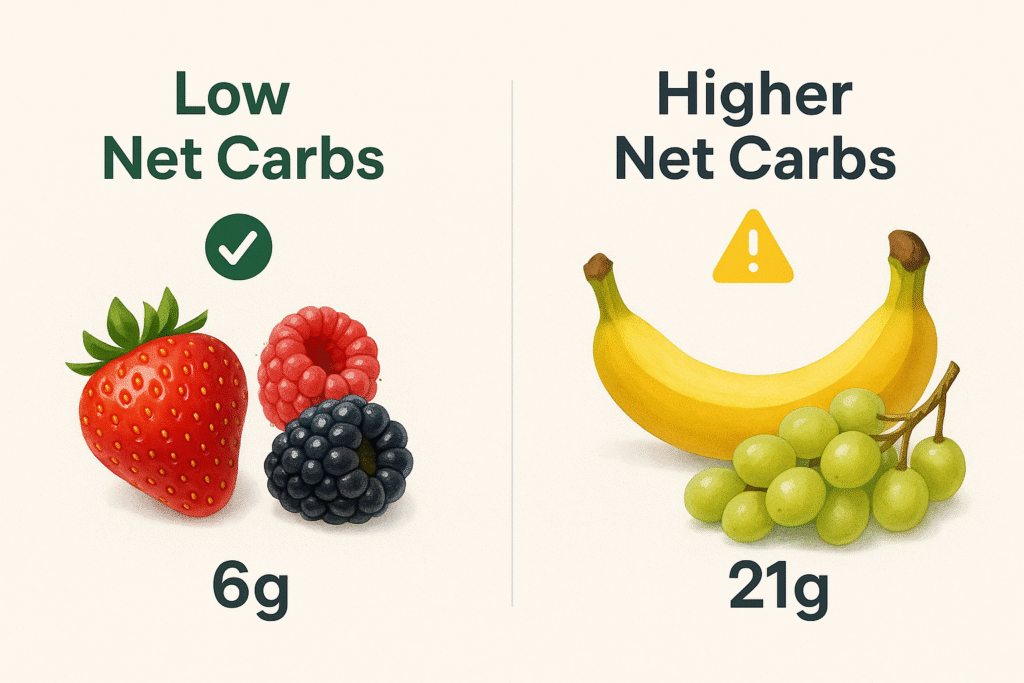
| Strawberries | 7.7 | 2.0 | 5.7 | Sweet, popular, and surprisingly low in net carbs |
| Watermelon | 7.6 | 0.4 | 7.2 | High water content (92%) keeps net carbs relatively low |
| Cantaloupe | 8.2 | 0.9 | 7.3 | A refreshing and low-carb melon |
| Peaches | 9.5 | 1.5 | 8.0 | Stone fruit with moderate carbohydrate content |
| Oranges | 11.8 | 2.4 | 9.4 | Excellent vitamin C source with moderate net carbs in fruitss |
| Blueberries | 14.5 | 2.4 | 12.1 | Higher in carbs than other berries; practice portion control |
| Apples (Fuji) | 15.6 | 2.1 | 13.5 | Classic fruit with moderate-high net carbs in fruitss |
| Grapes | 18.1 | 0.9 | 17.2 | Very high in natural sugars; consume sparingly |
| Bananas | 23.0 | 1.7 | 21.3 | One of the highest-carb fruits; best avoided on strict low-carb diets |
The data reveals striking differences in net carbs in fruits across the fruit spectrum. Berries and melons emerge as the clear winners for low-carb eating, while tropical fruits like bananas and sweet fruits like grapes present significant carbohydrate challenges. Avocado, though technically classified as a fruit, stands in a category of its own with remarkably low net carbs in fruitss and an abundance of heart-healthy monounsaturated fats.
🔍 Curious about a fruit not listed here?
Glycemic Index and Net Carbs in Fruits
While net carbs provide valuable quantitative information about digestible carbohydrate content, the glycemic index offers an additional qualitative perspective on how fruits affect blood sugar dynamics. The glycemic index measures how quickly a food raises blood glucose levels on a standardized scale from 0 to 100, with pure glucose assigned the reference value of 100. Foods with high glycemic index values cause rapid, pronounced spikes in blood sugar, while low-GI foods produce more gradual, sustained increases that are generally considered healthier for metabolic function.
Interestingly, net carbs and glycemic index do not always align perfectly, creating nuanced considerations for fruit selection. The 2025 study in Foods revealed that fructose content has a significant influence on the glycemic index, often more so than glucose content. This finding helps explain some seemingly paradoxical observations about fruit metabolism.
Consider watermelon as an illustrative example. Despite having relatively low net carbs in fruitss at 7.2 grams per 100 grams, watermelon possesses a high glycemic index of 72. This means that although watermelon contains a modest amount of digestible carbohydrates, those carbs are rapidly absorbed and cause a quick elevation in blood glucose. Conversely, apples present the opposite profile: they contain moderate net carbs in fruitss at 13.5 grams per 100 grams but have a low glycemic index of 36. The abundant fiber in apples slows sugar absorption, resulting in a gradual blood sugar response despite the higher carbohydrate content. This contrast demonstrates why whole fruits are nutritionally superior to fruit juice, which is stripped of fiber and causes rapid blood sugar spikes.
🎯 Glycemic Index Reference Guide:
Low-GI Fruits (Best Choices): Cherries (22), Grapefruit (25), Pears (38), Apples (36)
High-GI Fruits (Consume in Moderation): Watermelon (72), Pineapple (66), Dates (103)
For optimal blood sugar management and metabolic health, consider both net carbs and glycemic index when selecting fruits. This dual-factor approach provides the most comprehensive understanding of how different fruits will affect your body.
💡 Want to understand the glycemic impact of your favorite fruits?
Use our tool to compare net carbs and make data-driven choices →
Net Carbs in Fruits: Berries as Low-Carb Champions
When evaluating net carbs in fruits, berries consistently emerge as the undisputed champions as the undisputed champions of low-carb eating. Their unique nutritional profile combines low sugar content, high fiber density, and abundant antioxidants, making them ideal for anyone monitoring carbohydrate intake. The popular mantra “berries are best” has become widespread in low-carb communities, and the scientific evidence strongly supports this recommendation.
Raspberries stand out as a fiber powerhouse, boasting an impressive 6.5 grams of fiber per 100 grams—among the highest fiber content of all commonly consumed fruits. This exceptional fiber content reduces the net carbs in fruits to just 5.4 grams per 100 grams. A half-cup serving of raspberries (approximately 60 grams) contains only 3.2 grams of net carbs, making them an excellent choice even for strict ketogenic diets that limit daily carbohydrate intake to 20-30 grams. Beyond their favorable macronutrient profile, raspberries are rich in vitamin C, manganese, and powerful antioxidant compounds called anthocyanins. These pigments give raspberries their vibrant red color and have been extensively studied for their anti-inflammatory properties and potential to reduce the risk of chronic diseases including heart disease and certain cancers.
Blackberries offer a similar nutritional profile to raspberries, with 5.3 grams of fiber per 100 grams and only 4.9 grams of net carbs. They are particularly rich in vitamin K, a fat-soluble vitamin that plays crucial roles in blood clotting and bone metabolism. Blackberries also contain high levels of vitamin C and manganese, along with various polyphenolic compounds that contribute to their health-promoting properties. Their slightly tart, complex flavor makes them versatile ingredients in both sweet and savory applications, from smoothies and desserts to salads and meat glazes.
Strawberries are perhaps the most popular and widely consumed berry worldwide, and fortunately, they align well with low-carb dietary principles. With only 5.7 grams of net carbs per 100 grams, strawberries can be enjoyed liberally on most low-carb diets. They are an exceptional source of vitamin C, with just one cup providing more than 100% of the daily recommended intake. Strawberries also contain folate, potassium, and a diverse array of antioxidants that support cardiovascular health and may reduce the risk of chronic diseases. Their natural sweetness and appealing texture make them a favorite for fresh consumption, smoothies, and low-carb desserts.
Blueberries are often grouped with other berries, but they warrant special consideration due to their significantly higher net carbs in fruitss in fruits. At 12.1 grams of net carbs per 100 grams, blueberries contain more than twice the digestible carbohydrates of strawberries or raspberries. This difference is substantial and requires careful portion control. A quarter-cup serving of blueberries (approximately 37 grams) contains about 4.5 grams of net carbs, which remains manageable on most low-carb diets but can quickly accumulate if portions are not measured. Despite their higher carb content, blueberries are renowned for their exceptional antioxidant capacity, particularly their high concentration of anthocyanins. Research has demonstrated that regular blueberry consumption may improve cognitive function, enhance memory, and reduce the risk of cardiovascular disease.
🍓 Discover more low-carb berry options
Net Carbs in Fruits: Tropical Varieties
Tropical fruits are beloved worldwide, but understanding net carbs in fruits in tropical varieties is essential for their exotic flavors, vibrant colors, and associations with warm climates and vacation destinations. However, when examining net carbs in fruits, tropical fruits tend to be significantly higher in digestible carbohydrates than berries and temperate fruits. For individuals following strict low-carb or ketogenic diets, these fruits should be consumed sparingly or avoided altogether, while those following more moderate carbohydrate restrictions can enjoy them in carefully measured portions.
Bananas rank among the most popular fruits globally, but they also stand as one of the highest in net carbs. A medium banana weighing approximately 118 grams contains roughly 25 grams of net carbs—more than an entire day’s carbohydrate allowance on a strict ketogenic diet. According to USDA data, 100 grams of ripe banana contains 23 grams of total carbohydrates and only 1.7 grams of fiber, yielding 21.3 grams of net carbs. Bananas also contain resistant starch, particularly when less ripe, which gradually breaks down into glucose during the ripening process. As bananas ripen and develop brown spots, their starch converts to simple sugars, further increasing their glycemic impact. While bananas provide excellent nutrition including potassium, vitamin B6, and vitamin C, they are best reserved for post-workout recovery when insulin sensitivity is elevated, or avoided entirely on low-carb dietary protocols.
Mangoes represent another tropical favorite that packs a substantial carbohydrate punch. A cup of sliced mango (approximately 165 grams) contains about 22 grams of net carbs. Mangoes are nutritionally rich, providing abundant vitamin C, vitamin A in the form of beta-carotene, and folate. However, their high natural sugar content makes them a poor choice for those prioritizing low-carb eating. The intense sweetness that makes mangoes so appealing is directly related to their high fructose content.
Pineapple is celebrated for its sweet-tart flavor and contains approximately 11.7 grams of net carbs per 100 grams. While this is lower than bananas and mangoes, it remains considerably higher than berries and should be consumed judiciously. Pineapple is an excellent source of vitamin C and contains bromelain, a proteolytic enzyme with documented anti-inflammatory properties and potential digestive benefits. However, pineapple’s high sugar content and glycemic index of 66 mean it should be treated as an occasional indulgence rather than a dietary staple for carb-conscious individuals.
Papaya contains about 9.8 grams of net carbs per 100 grams, making it a slightly better option compared to other tropical fruits. Papaya is rich in vitamin C, vitamin A, and digestive enzymes including papain, which aids in protein digestion. Despite these nutritional benefits, papaya still contains significantly more carbohydrates than berries and requires careful portion management.
🥭 Thinking about indulging in tropical fruits?
Net Carbs in Fruits: Stone and Pome Varieties
Stone fruits, characterized by a single large seed, generally fall into the moderate net carbs in fruits category or “stone” at their center, and pome fruits, which feature a core containing multiple seeds, generally fall into the moderate net carbs in fruitss in fruits category. These fruits can be incorporated into a low-carb diet, but success requires mindful portion control and awareness of serving sizes.
Peaches are a quintessential summer fruit with about 8 grams of net carbs per 100 grams. A medium peach weighing approximately 150 grams contains roughly 12 grams of net carbs. Peaches provide good amounts of vitamin C, vitamin A, and potassium. Their relatively moderate carb content and delicious, juicy flavor make them a reasonable choice for occasional enjoyment, particularly during peak summer season when they are at their sweetest and most flavorful.
Plums contain about 10.2 grams of net carbs per 100 grams and are rich in vitamin C, vitamin K, and various antioxidant compounds. Plums have a low glycemic index, which means they cause a gradual, sustained rise in blood sugar levels rather than sharp spikes. This makes them a smarter choice than many higher-carb fruits from a metabolic perspective.
Apricots are lower in carbohydrates than many stone fruits, with approximately 9.1 grams of net carbs per 100 grams. They are an excellent source of vitamin A and potassium. However, it is crucial to exercise caution with dried apricots, which undergo water removal that dramatically concentrates their sugar content. Dried apricots can contain 50-55 grams of net carbs per 100 grams—nearly six times more than fresh apricots.
Apples are among the most iconic and widely consumed fruits globally, with moderate net carbs in fruitss in fruits. As previously noted, a Fuji apple contains about 13.5 grams of net carbs per 100 grams. Apples are rich in both soluble and insoluble fiber, vitamin C, and various polyphenolic antioxidants concentrated in the peel. Their low glycemic index of 36 makes them a better metabolic choice than many higher-carb fruits. The traditional saying “an apple a day keeps the doctor away” has some scientific merit, as epidemiological studies have linked regular apple consumption to reduced risk of cardiovascular disease, type 2 diabetes, and improved gut microbiome diversity.
Pears contain approximately 12.1 grams of net carbs per 100 grams and are particularly high in fiber, especially pectin—a type of soluble fiber that supports digestive health and may help lower cholesterol levels. Pears also have a low glycemic index of 38, making them a smart choice for blood sugar management when consumed in appropriate portions.
🍑 Explore comprehensive nutritional data for stone and pome fruits
Net Carbs in Fruits: Citrus Options
Citrus fruits are renowned worldwide for their vitamin C content. Understanding net carbs in fruits in citrus varieties for their exceptional vitamin C content and refreshing, tangy flavors. While they contain more carbohydrates than berries, citrus fruits can still fit into a low-carb dietary framework when consumed in moderation and with attention to portion sizes.
Lemons and limes are the lowest-carb citrus options, containing only about 6-7 grams of net carbs per 100 grams. However, most people do not consume lemons and limes whole; instead, they use the juice or zest as flavoring agents in cooking, beverages, and dressings. A tablespoon of fresh lemon juice contains less than 1 gram of net carbs, making it an excellent low-carb addition to water, unsweetened tea, salad dressings, marinades, and seafood dishes. The bright, acidic flavor of citrus juice can enhance dishes without significantly impacting carbohydrate intake.
Grapefruit contains approximately 8.4 grams of net carbs per 100 grams. Half of a medium grapefruit (about 123 grams) contains roughly 10 grams of net carbs. Grapefruit has a low glycemic index of 25 and has been the subject of research investigating its potential role in weight loss and improved insulin sensitivity. Some studies suggest that compounds in grapefruit may influence drug metabolism, so individuals taking certain medications should consult with healthcare providers before consuming grapefruit regularly. Beyond these considerations, grapefruit is rich in vitamin C, vitamin A, and various antioxidants including lycopene in pink and red varieties.
Oranges are a classic and beloved source of vitamin C, containing about 9.4 grams of net carbs per 100 grams. A medium orange weighing approximately 131 grams contains roughly 12 grams of net carbs. While oranges are undeniably nutritious, it is critically important to consume the whole fruit rather than drinking orange juice. Commercial orange juice, even when labeled “100% juice” with no added sugars, is stripped of fiber during processing and delivers a concentrated dose of rapidly absorbed sugars. A glass of orange juice can contain 20-25 grams of net carbs with virtually no fiber, causing sharp blood sugar spikes that whole oranges do not produce.
Tangerines and clementines are smaller, sweeter citrus fruits with about 10.2 grams of net carbs per 100 grams. Their convenient, portable nature and easy-to-peel skin make them popular snacks, particularly for children. They provide good amounts of vitamin C and fiber, though portion awareness remains important for carb-conscious individuals.
🍊 Need to know the net carbs in your favorite citrus fruit?
Net Carbs in Fruits: Fresh vs. Dried Comparison
Dried fruits are frequently marketed as healthy snacks, but the net carbs in fruits increases dramatically as healthy, convenient snacks suitable for busy lifestyles. While dried fruits do retain many vitamins and minerals from their fresh counterparts, the dehydration process dramatically concentrates their sugar and carbohydrate content. This concentration effect makes dried fruits a significant source of hidden carbs that can easily sabotage low-carb dietary efforts, often catching people by surprise.
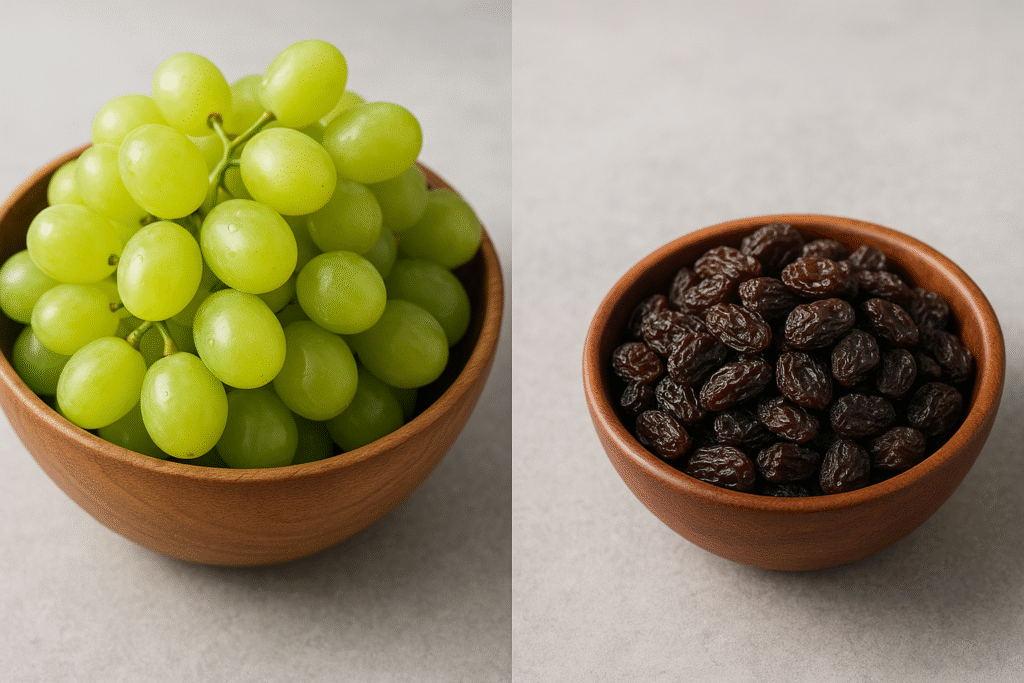
Consider the striking difference between grapes and raisins, which are simply dried grapes. A 100-gram serving of fresh grapes contains about 17 grams of net carbs—already on the higher end for fruits. In stark contrast, 100 grams of raisins contains a staggering 79 grams of net carbs! This represents a more than 4.6-fold increase in carbohydrate density. The American Diabetes Association specifically warns that just two tablespoons of raisins can contain 15 grams of carbohydrates—equivalent to one full carbohydrate serving for meal planning purposes.
This dramatic concentration occurs because water removal makes the fruit smaller, denser, and more energy-concentrated per unit weight. The same volume that might hold 10 fresh grapes could accommodate 30-40 raisins, making it remarkably easy to consume far more sugar than intended. The smaller size and chewy texture of dried fruits can also trigger overconsumption, as the satiety signals that would normally occur from eating fresh fruit are delayed or diminished.
⚠️ Dried Fruit Comparison:
Fresh Grapes: ~17g net carbs per 100g
Raisins (dried grapes): ~79g net carbs per 100g (4.6x more concentrated)
Fresh Apricots: ~9g net carbs per 100g
Dried Apricots: ~50-55g net carbs per 100g (5-6x more concentrated)
When managing carbohydrate intake, always prioritize fresh or frozen fruits over dried versions. If you do choose to consume dried fruit, treat it more like candy than like fruit—strictly limit portions to one or two tablespoons, measure carefully, and account for the carbohydrates in your daily totals. Better yet, satisfy sweet cravings with fresh berries, which provide similar satisfaction with a fraction of the net carbs.
🚨 Don’t get caught by surprise!
Common Mistakes Calculating Net Carbs in Fruits
Even with the best intentions, calculating net carbs in fruits accurately can be challenging and solid understanding of nutritional principles, it remains surprisingly easy to make errors when calculating net carbs in fruits. These mistakes can accumulate over time and undermine dietary goals. Here are the most common pitfalls and practical strategies to avoid them.
The first major mistake involves forgetting to account for actual serving sizes. Most nutritional databases, including the authoritative USDA FoodData Central, list values per 100 grams for standardization purposes. However, the actual serving size you consume may differ substantially from this reference amount. A large apple can easily weigh 200 grams or more, effectively doubling the net carbs you might expect from glancing at per-100-gram data. Similarly, a large banana can weigh 150-180 grams, pushing net carbs to 30+ grams for a single fruit. To ensure accuracy, invest in an inexpensive digital kitchen scale and weigh fruits, especially when starting a low-carb diet. This practice builds awareness of true portion sizes and prevents unintentional carbohydrate overconsumption.
The second critical error is drinking fruit juice instead of eating whole fruit. This represents one of the most significant sources of hidden carbohydrates in modern diets. When fruit is juiced, the fiber is mechanically separated and discarded, leaving behind a liquid that is essentially a concentrated sugar solution. A glass of orange juice can contain 20-25 grams of net carbs with virtually no fiber, causing rapid blood sugar spikes and insulin surges. The same amount of whole oranges would provide substantial fiber that slows sugar absorption and promotes satiety. Always choose whole fruits over juice to benefit from fiber and avoid excessive, rapidly absorbed carbohydrate loads.
A third common mistake involves assuming all berries are nutritionally equivalent. While berries are generally lower in carbohydrates than other fruit categories, significant variation exists between different berry types. Blueberries contain more than twice the net carbs of strawberries or raspberries—a difference that matters considerably when following a strict low-carb protocol. Don’t assume berries are interchangeable; always verify the specific net carbs in fruits of each variety you consume.
Fourth, some individuals make the error of ignoring sugar alcohols in processed “low-carb” fruit products. Certain processed items like sugar-free jams, fruit-flavored protein bars, or fruit-based snacks contain sugar alcohols such as erythritol, xylitol, or maltitol. While sugar alcohols are often subtracted from total carbs when calculating net carbs (similar to fiber), they can still affect blood sugar in some individuals and frequently cause digestive discomfort including bloating, gas, and diarrhea. Read ingredient labels carefully, be aware of how your individual body responds to these products, and recognize that “sugar-free” does not automatically mean “carb-free” or “healthy.”
Finally, many people fail to consider that fruit ripeness affects carbohydrate content and glycemic impact. As fruits ripen, their starch content progressively converts to simple sugars, increasing both sweetness and net carbs. This effect is particularly pronounced in bananas. A green, underripe banana contains more resistant starch—a type of carbohydrate that resists digestion in the small intestine and acts more like fiber. As the banana ripens and develops yellow color with brown spots, this resistant starch converts to glucose and fructose, increasing digestible net carbs and glycemic impact. While this difference may seem minor for a single piece of fruit, it can accumulate significantly over time for regular consumers.
✅ Avoid these common mistakes
Use our tool to verify your calculations and make informed decisions →
Practical Tips for Managing Net Carbs in Fruits
Successfully incorporating fruits into a low-carb lifestyle while managing net carbs in fruits requires strategic planning and mindful choices. The first and most important principle is to prioritize berries as your primary fruit choices. Strawberries, raspberries, blackberries, and blueberries (in that order of preference based on net carbs in fruits) offer the best combination of low carbohydrates, high fiber, and abundant antioxidants. These fruits can be enjoyed regularly without significantly impacting carbohydrate totals.
Second, practice rigorous portion control, even with lower-carb fruits. Net carbs accumulate quickly, and even berries can add up if consumed in large quantities. Use measuring cups or a food scale to control serving sizes, particularly with moderate and higher-carb fruits like apples, oranges, and tropical varieties. This measured approach prevents unintentional overconsumption and helps maintain awareness of true intake.
Third, pair fruits with protein or healthy fats to moderate their glycemic impact. Eating fruit alongside a source of protein (such as Greek yogurt, cottage cheese, or a handful of nuts) or healthy fat (like almond butter or cheese) slows the absorption of sugar into the bloodstream. This combination prevents sharp blood sugar spikes and promotes more stable energy levels. The protein and fat also enhance satiety, making the snack more satisfying and reducing the likelihood of overconsumption.
Fourth, always choose whole fruits over juice or processed fruit products. This principle cannot be overstated. Whole fruits provide fiber that slows sugar absorption, promotes digestive health, and increases satiety. Fruit juice, smoothies made primarily from fruit, and processed fruit snacks lack this crucial fiber and deliver concentrated sugar loads that spike blood glucose and insulin.
Finally, develop awareness of high-carb fruits and treat them as occasional indulgences rather than dietary staples. Bananas, grapes, mangoes, pineapples, and dried fruits should be consumed in small quantities or avoided entirely on strict low-carb diets. When you do choose to enjoy these fruits, do so mindfully, in measured portions, and ideally after exercise when insulin sensitivity is elevated and the body is better equipped to handle carbohydrate loads.
🎯 Plan your meals with confidence and precision!
Use our tool to build delicious, satisfying low-carb meal plans →
Explore Specific Fruits on CheckTheCarbs.com
For detailed nutritional information, serving size recommendations, and recipe ideas for specific fruits, visit these dedicated pages:
- Complete Nutritional Profile: Bananas
- Complete Nutritional Profile: Apples
- Complete Nutritional Profile: Strawberries
- Complete Nutritional Profile: Blueberries
- Complete Nutritional Profile: Avocados
Conclusion: Making Smart Choices About Net Carbs in Fruits
Fruits represent a delicious, nutritious, and health-promoting component of a balanced diet, and adopting a carb-conscious lifestyle does not require complete elimination of these natural foods. By understanding the concept of net carbs in fruits, recognizing the substantial differences between various fruit types, and practicing mindful portion control, you can continue to enjoy a diverse array of fruits while successfully achieving your health and wellness objectives.
The key principles are straightforward: focus on low-carb options like berries and melons, exercise caution with high-carb fruits like bananas and tropical varieties, avoid dried fruits or treat them as concentrated sweets, and always choose fresh whole fruits over juice. Armed with accurate nutritional information and strategic planning, you can confidently navigate the world of fruits and make choices that support your metabolic health, energy levels, and long-term wellness goals.
Ready to take complete control of your carbohydrate intake and make data-driven nutritional decisions? Visit CheckTheCarbs.com today for comprehensive nutritional information, meal planning tools, and personalized guidance!
References
- Singh, M. K., Han, S., Ju, S., Ranbhise, J. S., Akter, S., Kim, S. S., & Kang, I. (2025). Fruit Carbohydrates and Their Impact on the Glycemic Index: A Study of Key Determinants. Foods, 14(4), 646. https://doi.org/10.3390/foods14040646
- Dreher, M. L. (2018). Whole Fruits and Fruit Fiber Emerging Health Effects. Nutrients, 10(12), 1833. https://doi.org/10.3390/nu10121833
- American Diabetes Association. (n.d.). Fruit. Retrieved from https://diabetes.org/food-nutrition/reading-food-labels/fruit
RELATED POSTS
View all