

Table of Contents
- Key Statistics & Quotable Facts
- What Are Net Carbs?
- Why Net Carbs Work for Weight Loss
- The Science Behind Net Carbs and Weight Loss
- Net Carbs vs Total Carbs for Weight Loss
- How to Calculate Net Carbs
- Best Low Net Carb Foods for Weight Loss
- Common Mistakes When Counting Net Carbs
- Getting Started with Net Carbs for Weight Loss
- Conclusion
![<h2>Table of Contents</h2>
<ul>
<li><a href="#key-statistics">Key Statistics & Quotable Facts</a></li>
<li><a href="#what-are-net-carbs">What Are Net Carbs?</a></li>
<li><a href="#why-net-carbs-work">Why Net Carbs Work for Weight Loss</a></li>
<li><a href="#science-behind">The Science Behind Net Carbs and Weight Loss</a></li>
<li><a href="#net-carbs-vs-total">Net Carbs vs Total Carbs for Weight Loss</a></li>
<li><a href="#how-to-calculate">How to Calculate Net Carbs</a></li>
<li><a href="#best-foods">Best Low Net Carb Foods for Weight Loss</a></li>
<li><a href="#common-mistakes">Common Mistakes When Counting Net Carbs</a></li>
<li><a href="#getting-started">Getting Started with Net Carbs for Weight Loss</a></li>
<li><a href="#conclusion">Conclusion</a></li>
</ul>
[IMAGE-1]
<h2 id="key-statistics">Key Statistics & Quotable Facts</h2>
<p><strong>For Journalists & Bloggers:</strong> Feel free to cite these research-backed statistics with attribution to CheckTheCarbs.com</p>
<h3>Research-Backed Statistics</h3>
<ul>
<li><strong>Weight Loss Advantage:</strong> Low-carb diets produce superior rapid weight loss in the first 6-12 months compared to other dietary approaches (StatPearls, cited by 140+ papers)</li>
<li><strong>Metabolic Boost:</strong> Low net carb diets burn 200-300 more calories daily compared to high-carb diets (NCBI research)</li>
<li><strong>Satiety Effect:</strong> Protein and fat increase fullness and reduce hunger more than carbohydrates</li>
<li><strong>Ketogenic Threshold:</strong> Consuming 20-50g net carbs daily induces ketosis and maximizes fat burning</li>
<li><strong>Insulin Impact:</strong> Lowering insulin through net carb reduction improves fat loss and cardiometabolic function</li>
<li><strong>Fiber Benefit:</strong> Net carbs focus on digestible carbohydrates, encouraging higher fiber intake</li>
</ul>
<h3>Expert Quotes</h3>
<blockquote>
<p>"Low-carb approaches stem primarily from the hypothesis that lowering insulin, a critical hormone that produces an anabolic, fat-storing state, improves cardiometabolic function, and induces weight loss."</p>
<cite>— StatPearls, Low-Carbohydrate Diet (NCBI)</cite>
</blockquote>
<blockquote>
<p>"Studies have shown low-carb approaches superior to other dietary methods in producing rapid weight loss for the first 6 to 12 months."</p>
<cite>— StatPearls, Low-Carbohydrate Diet (NCBI)</cite>
</blockquote>
<blockquote>
<p>"Recent studies show a metabolic advantage of approximately 200 to 300 more calories burned compared to an isocaloric high-carb diet."</p>
<cite>— StatPearls, Low-Carbohydrate Diet (NCBI)</cite>
</blockquote>
<h3>Key Takeaways</h3>
<ul>
<li>Net carbs = Total carbs - Fiber - (Sugar alcohols ÷ 2)</li>
<li>Fiber doesn't spike blood sugar or insulin, making net carbs a better metric for weight loss</li>
<li>Low net carb diets increase satiety and reduce overall calorie intake naturally</li>
<li>Initial weight loss includes water loss, but fat loss continues with adherence</li>
<li>Quality matters: Focus on whole foods, not just low net carb processed items</li>
</ul>
<h2 id="what-are-net-carbs">What Are Net Carbs?</h2>
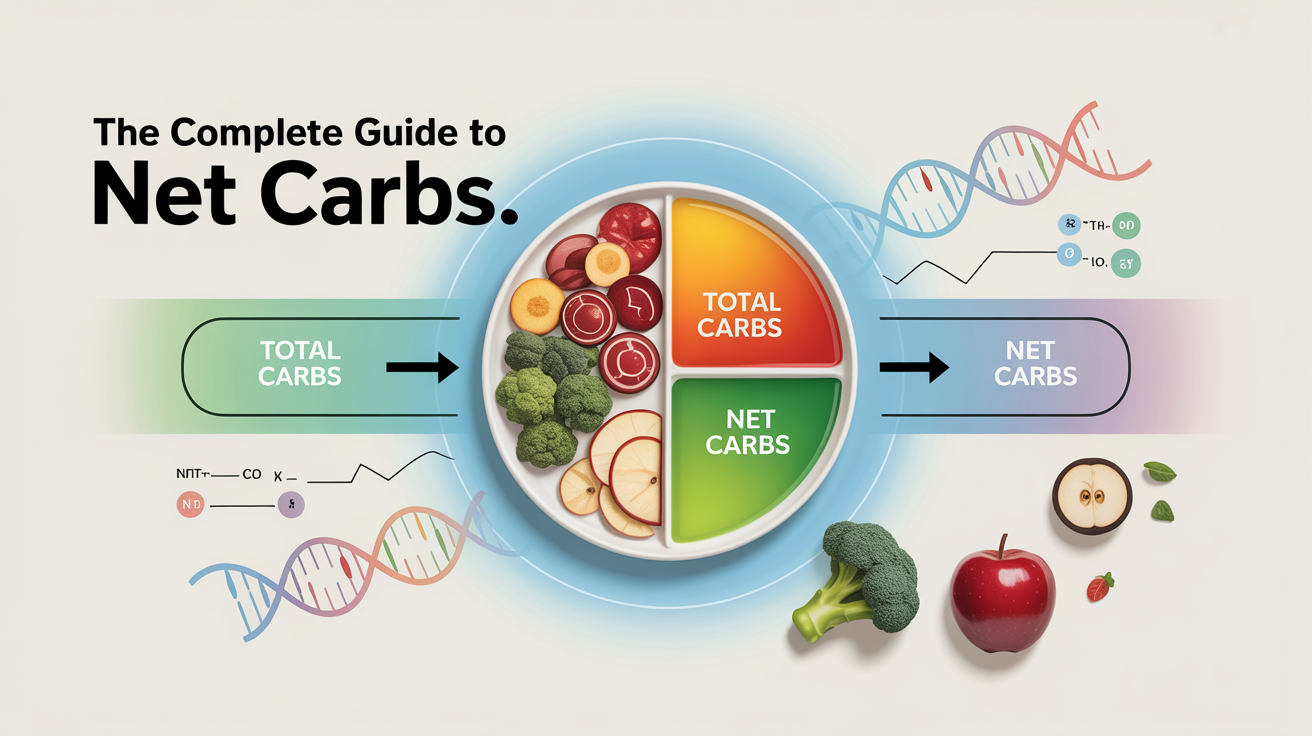
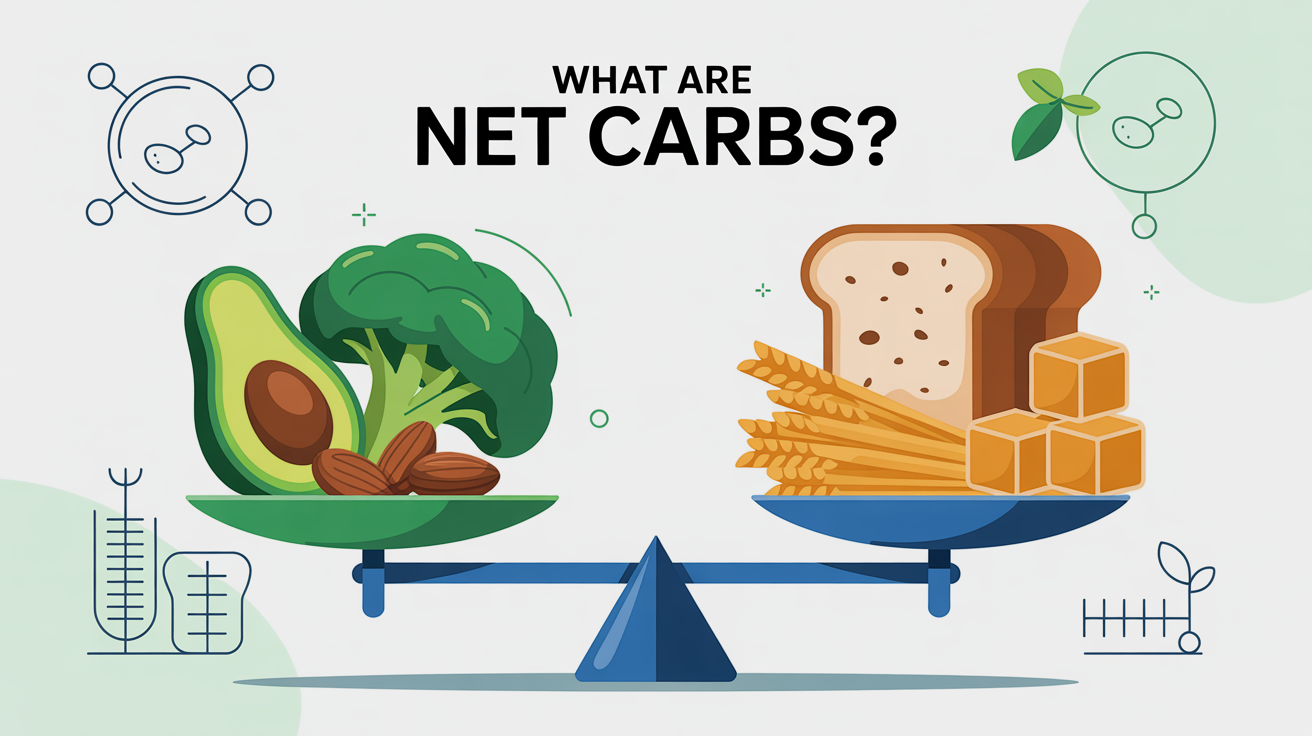
<p>Net carbs for weight loss have become a cornerstone of modern low-carb dieting, but what exactly are they? According to <a href="https://www.ncbi.nlm.nih.gov/books/NBK537084/" target="_blank" rel="nofollow">StatPearls</a>, net carbs refer to the total amount of fully digestible carbohydrates contained in a meal.</p>
<p>Unlike total carbohydrates, which include all carbs regardless of their impact on blood sugar, net carbs focus specifically on the carbohydrates that your body can digest and convert to glucose. This distinction matters because not all carbohydrates affect your body the same way.</p>
<h3>The Net Carbs Formula</h3>
<p><strong>Net Carbs = Total Carbs - Fiber - (Sugar Alcohols ÷ 2)</strong></p>
<p>This formula works because fiber passes through your digestive system without being absorbed, and sugar alcohols are only partially absorbed by the body. By subtracting these components, you get a more accurate picture of the carbohydrates that will actually impact your blood sugar and insulin levels.</p>
<div style="background-color: #e3f2fd; border-left: 4px solid #0054A6; padding: 15px; margin: 20px 0;">
<p><strong>🔍 Want to know the net carbs in your favorite foods?</strong></p>
<p><a href="https://checkthecarbs.com/" target="_blank" style="color: #0054A6; font-weight: bold;">Search our database of 300,000+ foods instantly →</a></p>
</div>
<h2 id="why-net-carbs-work">Why Net Carbs Work for Weight Loss</h2>
<p>The effectiveness of net carbs for weight loss isn't just anecdotal—it's backed by substantial clinical research. Understanding why this approach works can help you make informed decisions about your nutrition strategy.</p>
<h3>1. The Insulin Connection</h3>
<p>When you eat digestible carbohydrates, your body releases insulin to help cells absorb glucose from your bloodstream. Insulin is often called the "fat-storage hormone" because it signals your body to store excess energy as fat.</p>
<p>By focusing on net carbs for weight loss, you're specifically targeting the carbohydrates that trigger insulin release. Lower insulin levels mean your body can more easily access stored fat for energy, leading to weight loss.</p>
<h3>2. Increased Satiety and Reduced Hunger</h3>
<p>Research published in <a href="https://www.ncbi.nlm.nih.gov/books/NBK537084/" target="_blank" rel="nofollow">StatPearls</a> shows that when you reduce digestible carbohydrates, you typically increase your intake of protein and healthy fats to compensate. These macronutrients have a powerful effect on satiety.</p>
<p>Protein and fat keep you feeling fuller for longer periods compared to carbohydrates. This increased satiety naturally reduces your overall food intake without the need for strict calorie counting, creating a sustainable caloric deficit that promotes weight loss.</p>
<h3>3. The Metabolic Advantage</h3>
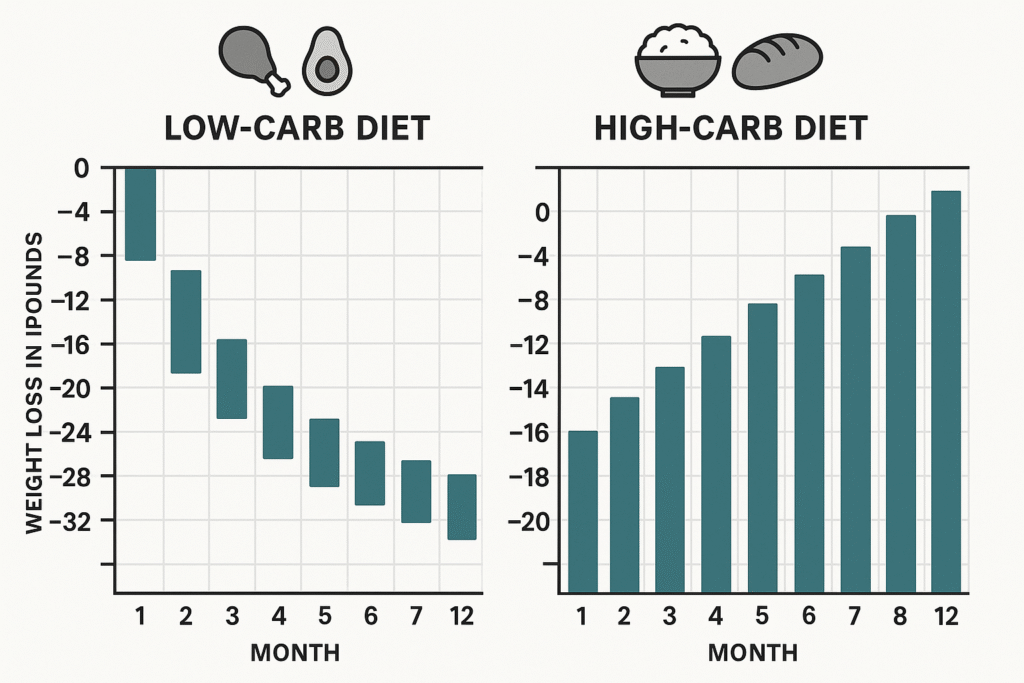
<p>One of the most compelling reasons to focus on net carbs for weight loss is the metabolic advantage. Recent studies demonstrate that low-carb diets can increase your metabolic rate by approximately 200-300 calories per day compared to high-carb diets with the same total calorie content.</p>
<p>This means your body burns more calories at rest when following a low net carb approach, giving you an edge in your weight loss efforts without additional exercise.</p>
<h3>4. Reduced Rebound Hypoglycemia</h3>
<p>High-carb meals often lead to blood sugar spikes followed by crashes, a phenomenon known as rebound hypoglycemia. These crashes trigger intense hunger and cravings, making it difficult to stick to any diet.</p>
<p>By focusing on net carbs for weight loss, you maintain more stable blood sugar levels throughout the day. This stability reduces cravings and makes it easier to adhere to your eating plan long-term.</p>
<div style="background-color: #e3f2fd; border-left: 4px solid #0054A6; padding: 15px; margin: 20px 0;">
<p><strong>📊 Compare net carbs across different foods</strong></p>
<p>See how <a href="https://checkthecarbs.com/food/fruits/banana" target="_blank" style="color: #0054A6; font-weight: bold;">bananas</a>, <a href="https://checkthecarbs.com/food/proteins/chicken-breast" target="_blank" style="color: #0054A6; font-weight: bold;">chicken breast</a>, and <a href="https://checkthecarbs.com/food/vegetables/broccoli" target="_blank" style="color: #0054A6; font-weight: bold;">broccoli</a> stack up →</p>
</div>
[IMAGE-2]
<h2 id="science-behind">The Science Behind Net Carbs and Weight Loss</h2>
<p>The scientific foundation for using net carbs for weight loss rests on what researchers call the "carbohydrate-insulin model." This model, detailed in peer-reviewed research from the <a href="https://www.ncbi.nlm.nih.gov/books/NBK537084/" target="_blank" rel="nofollow">National Library of Medicine</a>, explains how reducing digestible carbohydrates affects your body's metabolism.</p>
<h3>The Carbohydrate-Insulin Model</h3>
<p>According to this model, when you consume high amounts of digestible carbohydrates, your body enters an anabolic, fat-storing state driven by elevated insulin levels. This hormonal environment makes it extremely difficult to lose weight, even with calorie restriction.</p>
<p>By contrast, when you reduce net carbs, insulin levels decrease. This hormonal shift allows your body to transition from fat storage mode to fat-burning mode, making weight loss significantly easier.</p>
<h3>Clinical Evidence for Net Carbs and Weight Loss</h3>
<p>Multiple systematic reviews and meta-analyses have examined the effectiveness of low-carb approaches for weight loss. The evidence consistently shows that low net carb diets are as effective, if not more effective, than other dietary approaches.</p>
<p>Key findings from clinical research include:</p>
<ul>
<li><strong>Rapid Initial Weight Loss:</strong> Studies demonstrate superior weight loss in the first 6-12 months compared to low-fat diets</li>
<li><strong>Fat Loss vs. Water Loss:</strong> While initial weight loss includes water loss from glycogen depletion, continued adherence results in significant fat loss</li>
<li><strong>Preserved Muscle Mass:</strong> Higher protein intake on low net carb diets helps preserve lean muscle mass during weight loss</li>
<li><strong>Improved Metabolic Markers:</strong> Beyond weight loss, low net carb approaches improve triglycerides, HDL cholesterol, and blood sugar control</li>
</ul>
<h3>The Role of Ketosis</h3>
<p>When net carbs are restricted to 20-50 grams daily, the body enters a metabolic state called nutritional ketosis. In this state, your body shifts from using glucose as its primary fuel source to burning fat and producing ketone bodies.</p>
<p>Ketosis amplifies the weight loss benefits of net carb restriction by:</p>
<ul>
<li>Mobilizing fat stored in adipose tissue</li>
<li>Suppressing appetite through ketone production</li>
<li>Increasing fat oxidation (fat burning)</li>
<li>Reducing inflammation that can impede weight loss</li>
</ul>
<p>It's important to note that nutritional ketosis is safe and distinct from diabetic ketoacidosis, a dangerous condition that only occurs in uncontrolled diabetes.</p>
<div style="background-color: #e3f2fd; border-left: 4px solid #0054A6; padding: 15px; margin: 20px 0;">
<p><strong>🎯 Track your net carbs to reach ketosis</strong></p>
<p><a href="https://checkthecarbs.com/" target="_blank" style="color: #0054A6; font-weight: bold;">Find net carbs for any food in our database →</a></p>
</div>
<h2 id="net-carbs-vs-total">Net Carbs vs Total Carbs for Weight Loss</h2>
<p>Understanding the difference between net carbs and total carbs is crucial for weight loss success. While both metrics have their place, net carbs provide a more accurate picture of how foods will affect your weight loss efforts.</p>
<h3>Why Total Carbs Can Be Misleading</h3>
<p>When you count total carbs, you're treating all carbohydrates equally, regardless of their metabolic impact. This approach has significant limitations:</p>
<p><strong>Fiber is counted as a carbohydrate</strong> on nutrition labels, but it doesn't raise blood sugar or trigger insulin release. In fact, fiber slows digestion and helps stabilize blood sugar levels.</p>
<p><strong>Sugar alcohols are partially counted</strong> in total carbs, even though they're only minimally absorbed by the body and have little impact on blood glucose.</p>
<p><strong>High-fiber foods appear "high-carb"</strong> when looking at total carbs, potentially discouraging you from eating nutritious vegetables and whole foods.</p>
<h3>The Net Carbs Advantage</h3>
<p>By focusing on net carbs for weight loss, you get a more accurate assessment of how foods will affect your metabolism:</p>
<p><strong>Example 1: Broccoli</strong><br>
Total Carbs: 6g per 100g<br>
Fiber: 2.5g<br>
<a href="https://checkthecarbs.com/food/vegetables/broccoli" target="_blank" style="color: #0054A6; font-weight: bold;">Net Carbs: 3.5g</a></p>
<p>If you only looked at total carbs, broccoli might seem like a poor choice. But with only 3.5g net carbs, it's an excellent low-carb vegetable packed with nutrients.</p>
<p><strong>Example 2: Brown Rice</strong><br>
Total Carbs: 77g per 100g<br>
Fiber: 3.5g<br>
<a href="https://checkthecarbs.com/food/grains/brown-rice" target="_blank" style="color: #0054A6; font-weight: bold;">Net Carbs: 73.5g</a></p>
<p>Brown rice is often touted as a "healthy" carb, but even accounting for fiber, it's still very high in net carbs and can impede weight loss efforts.</p>
<p><strong>Example 3: Whole Wheat Bread</strong><br>
Total Carbs: 49g per 100g<br>
Fiber: 7g<br>
<a href="https://checkthecarbs.com/food/grains/whole-wheat-bread" target="_blank" style="color: #0054A6; font-weight: bold;">Net Carbs: 42g</a></p>
<p>While whole wheat bread has more fiber than white bread, it's still high in net carbs and can trigger insulin spikes that interfere with weight loss.</p>
<h3>Making Informed Food Choices</h3>
<p>The net carbs approach encourages you to choose foods that are naturally high in fiber and low in digestible carbohydrates. This typically means:</p>
<ul>
<li>Prioritizing non-starchy vegetables</li>
<li>Choosing protein sources with zero net carbs</li>
<li>Including healthy fats for satiety</li>
<li>Limiting grains, even "whole" grains</li>
<li>Being selective with fruits, favoring berries over tropical fruits</li>
</ul>
<div style="background-color: #e3f2fd; border-left: 4px solid #0054A6; padding: 15px; margin: 20px 0;">
<p><strong>🥗 Build your low net carb meal plan</strong></p>
<p><a href="https://checkthecarbs.com/" target="_blank" style="color: #0054A6; font-weight: bold;">Search 300,000+ foods to find the best choices →</a></p>
</div>
<h2 id="how-to-calculate">How to Calculate Net Carbs</h2>
<p>Calculating net carbs for weight loss is straightforward once you understand the formula. Here's a step-by-step guide to help you accurately determine the net carbs in any food.</p>
<h3>Step 1: Find the Total Carbohydrates</h3>
<p>Look at the nutrition label on packaged foods. The "Total Carbohydrate" line tells you how many grams of carbs are in one serving.</p>
<h3>Step 2: Identify the Fiber Content</h3>
<p>Directly below total carbohydrates, you'll see "Dietary Fiber" listed as a subset. This is the amount of fiber you'll subtract from total carbs.</p>
<h3>Step 3: Check for Sugar Alcohols</h3>
<p>Some products, especially sugar-free items, contain sugar alcohols like erythritol, xylitol, or maltitol. These are listed under total carbohydrates. Divide the sugar alcohol amount by 2 before subtracting.</p>
<h3>Step 4: Do the Math</h3>
<p><strong>Net Carbs = Total Carbs - Fiber - (Sugar Alcohols ÷ 2)</strong></p>
<h3>Real-World Example: Nutrition Bar</h3>
<p>Let's calculate net carbs for a hypothetical nutrition bar:</p>
<ul>
<li>Total Carbohydrates: 24g</li>
<li>Dietary Fiber: 14g</li>
<li>Sugar Alcohols: 6g</li>
</ul>
<p>Calculation:<br>
24g (total carbs) - 14g (fiber) - 3g (6g sugar alcohols ÷ 2) = <strong>7g net carbs</strong></p>
<h3>Important Considerations</h3>
<p><strong>Not all sugar alcohols are equal.</strong> Erythritol has virtually no impact on blood sugar and can be fully subtracted. Maltitol has a higher glycemic impact and should only be partially subtracted. When in doubt, use the divide-by-2 rule.</p>
<p><strong>Whole foods don't have labels.</strong> For fresh produce, meats, and unpackaged foods, use a reliable database to look up net carb values. This is where a comprehensive tool becomes invaluable.</p>
<p><strong>Serving sizes matter.</strong> Always check the serving size on the label. The net carbs listed are per serving, not for the entire package.</p>
<div style="background-color: #e3f2fd; border-left: 4px solid #0054A6; padding: 15px; margin: 20px 0;">
<p><strong>⚡ Skip the math—we've done it for you</strong></p>
<p><a href="https://checkthecarbs.com/" target="_blank" style="color: #0054A6; font-weight: bold;">Instantly find net carbs for 300,000+ foods →</a></p>
</div>
[IMAGE-3]
<h2 id="best-foods">Best Low Net Carb Foods for Weight Loss</h2>
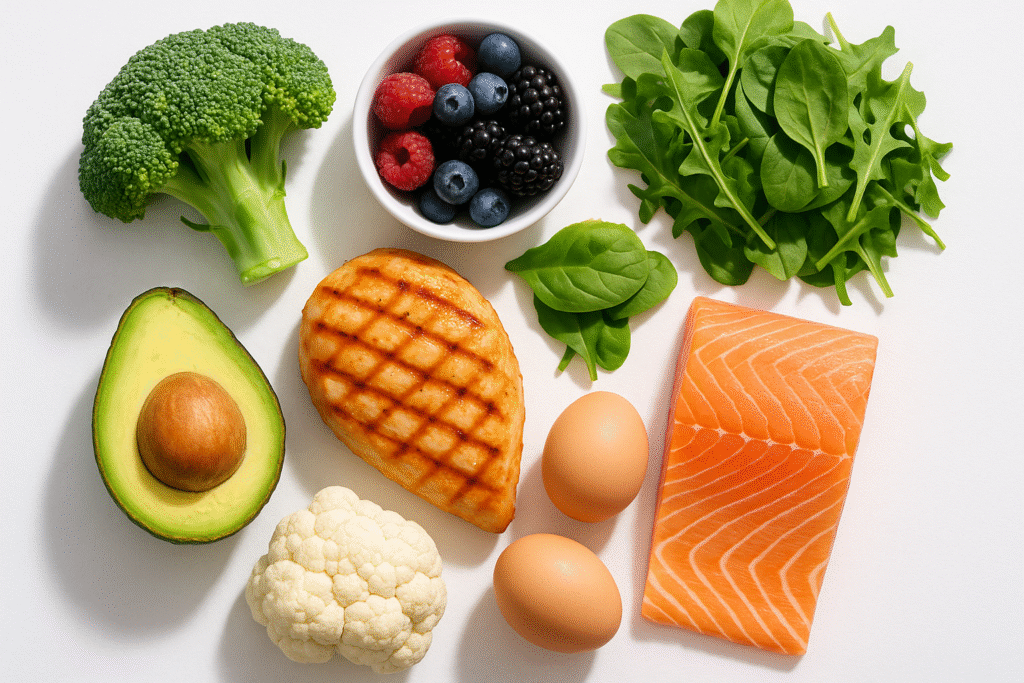
<p>Choosing the right foods is essential when using net carbs for weight loss. The best options are nutrient-dense, satisfying, and naturally low in digestible carbohydrates.</p>
<h3>Zero Net Carb Proteins</h3>
<p>Protein is your best friend when focusing on net carbs for weight loss. These foods have zero net carbs and help preserve muscle mass:</p>
<ul>
<li><strong><a href="https://checkthecarbs.com/food/proteins/chicken-breast" target="_blank" style="color: #0054A6;">Chicken breast</a></strong> - Lean, versatile, and filling</li>
<li><strong>Beef</strong> - Rich in iron and B vitamins</li>
<li><strong>Pork</strong> - Provides essential amino acids</li>
<li><strong>Fish and seafood</strong> - High in omega-3 fatty acids</li>
<li><strong>Eggs</strong> - Complete protein with healthy fats</li>
</ul>
<h3>Low Net Carb Vegetables</h3>
<p>These vegetables are high in fiber and nutrients while being low in net carbs:</p>
<ul>
<li><strong><a href="https://checkthecarbs.com/food/vegetables/broccoli" target="_blank" style="color: #0054A6;">Broccoli</a></strong> - 3.5g net carbs per 100g</li>
<li><strong>Spinach</strong> - 1.4g net carbs per 100g</li>
<li><strong>Cauliflower</strong> - 3g net carbs per 100g</li>
<li><strong>Zucchini</strong> - 2.1g net carbs per 100g</li>
<li><strong>Bell peppers</strong> - 4.6g net carbs per 100g</li>
<li><strong>Asparagus</strong> - 2g net carbs per 100g</li>
<li><strong>Kale</strong> - 5g net carbs per 100g</li>
</ul>
<h3>Healthy Fats</h3>
<p>Fats provide satiety and have zero net carbs:</p>
<ul>
<li><strong>Avocado</strong> - 2g net carbs per 100g (mostly fat)</li>
<li><strong>Olive oil</strong> - 0g net carbs</li>
<li><strong>Coconut oil</strong> - 0g net carbs</li>
<li><strong>Butter and ghee</strong> - 0g net carbs</li>
<li><strong>Nuts and seeds</strong> - Vary by type, but generally low</li>
</ul>
<h3>Low Net Carb Dairy</h3>
<ul>
<li><strong>Cheese</strong> - Most varieties have 0-2g net carbs per ounce</li>
<li><strong>Greek yogurt (plain)</strong> - 4-6g net carbs per 100g</li>
<li><strong>Heavy cream</strong> - 3g net carbs per 100ml</li>
</ul>
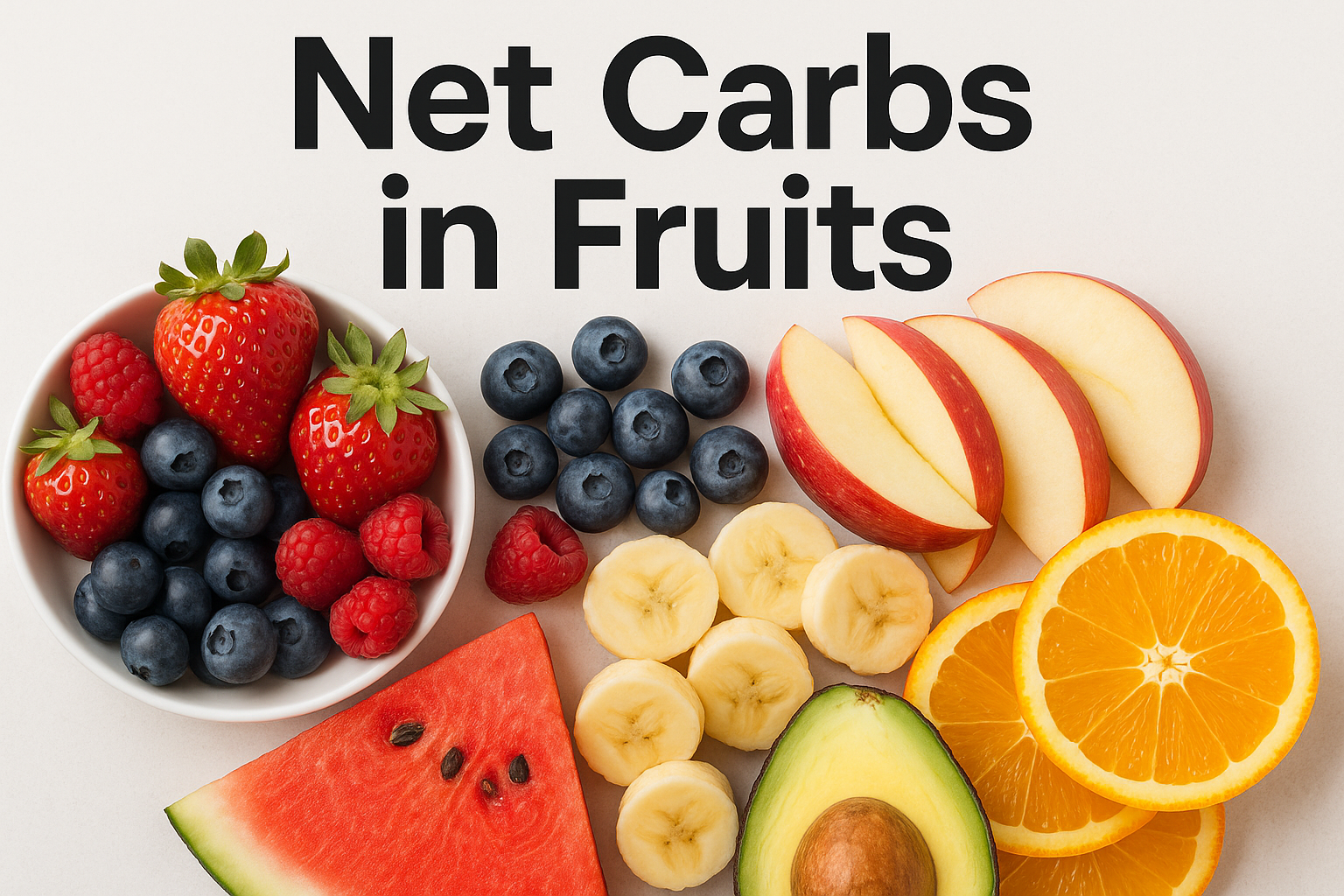
<h3>Berries (In Moderation)</h3>
<p>While most fruits are high in net carbs, berries are relatively low:</p>
<ul>
<li><strong>Raspberries</strong> - 5.5g net carbs per 100g</li>
<li><strong>Blackberries</strong> - 4.9g net carbs per 100g</li>
<li><strong>Strawberries</strong> - 5.7g net carbs per 100g</li>
</ul>
<h3>Foods to Limit or Avoid</h3>
<p>These foods are high in net carbs and can impede weight loss:</p>
<ul>
<li><strong>Grains and bread</strong> - Including whole grain varieties</li>
<li><strong>Pasta and rice</strong> - Even brown rice is high in net carbs</li>
<li><strong>Potatoes</strong> - All varieties are starchy</li>
<li><strong>Most fruits</strong> - Especially tropical fruits like <a href="https://checkthecarbs.com/food/fruits/banana" target="_blank" style="color: #0054A6;">bananas</a> (20.5g net carbs per 100g)</li>
<li><strong>Sugary foods and drinks</strong> - Obviously high in net carbs</li>
<li><strong>Legumes</strong> - Beans and lentils are high in net carbs despite their fiber</li>
</ul>
<div style="background-color: #e3f2fd; border-left: 4px solid #0054A6; padding: 15px; margin: 20px 0;">
<p><strong>🍽️ Plan your meals with confidence</strong></p>
<p><a href="https://checkthecarbs.com/" target="_blank" style="color: #0054A6; font-weight: bold;">Browse our complete food database by category →</a></p>
</div>
<h2 id="common-mistakes">Common Mistakes When Counting Net Carbs</h2>
<p>Even with the best intentions, it's easy to make mistakes when using net carbs for weight loss. Avoiding these common pitfalls will help you achieve better results.</p>
<h3>1. Forgetting Hidden Carbs</h3>
<p>Many condiments, sauces, and seasonings contain hidden carbs that can add up quickly. Ketchup, barbecue sauce, and salad dressings often contain significant amounts of sugar.</p>
<p><strong>Solution:</strong> Read labels carefully and account for everything you eat, including condiments and beverages.</p>
<h3>2. Overestimating Fiber's Impact</h3>
<p>While fiber should be subtracted from total carbs, some people mistakenly believe that eating high-fiber foods "cancels out" other carbs in their meal. This isn't how it works.</p>
<p><strong>Solution:</strong> Calculate net carbs for each food individually, not for the entire meal combined.</p>
<h3>3. Ignoring Portion Sizes</h3>
<p>A food might be low in net carbs per serving, but if you eat multiple servings, the net carbs add up quickly.</p>
<p><strong>Solution:</strong> Pay attention to serving sizes and track your portions accurately.</p>
<h3>4. Relying Too Heavily on Processed "Low-Carb" Products</h3>
<p>Many products marketed as "low-carb" or "keto-friendly" use sugar alcohols and other ingredients that can still impact blood sugar and weight loss.</p>
<p><strong>Solution:</strong> Focus on whole, unprocessed foods as the foundation of your diet. Use processed low-carb products sparingly.</p>
<h3>5. Not Accounting for Individual Variation</h3>
<p>Everyone's body responds differently to carbohydrates. Some people can tolerate more net carbs while still losing weight, while others need to be more restrictive.</p>
<p><strong>Solution:</strong> Monitor your progress and adjust your net carb intake based on your individual results.</p>
<h3>6. Forgetting About Protein</h3>
<p>While protein has zero net carbs, excessive protein intake can be converted to glucose through a process called gluconeogenesis, potentially slowing weight loss.</p>
<p><strong>Solution:</strong> Aim for moderate protein intake (0.8-1.2g per pound of lean body mass) and fill the rest of your calories with healthy fats.</p>
<h2 id="getting-started">Getting Started with Net Carbs for Weight Loss</h2>
<p>Ready to begin your weight loss journey using net carbs? Here's a practical roadmap to help you succeed.</p>
<h3>Step 1: Determine Your Net Carb Target</h3>
<p>Your ideal net carb intake depends on your goals:</p>
<ul>
<li><strong>Ketogenic (20-50g net carbs daily):</strong> For maximum fat burning and rapid weight loss</li>
<li><strong>Low-carb (50-100g net carbs daily):</strong> For steady weight loss with more flexibility</li>
<li><strong>Moderate low-carb (100-150g net carbs daily):</strong> For weight maintenance or slow, sustainable loss</li>
</ul>
<p>Most people see the best weight loss results with 20-50g net carbs daily, at least initially.</p>
<h3>Step 2: Clean Out Your Pantry</h3>
<p>Remove high net carb foods that will tempt you:</p>
<ul>
<li>Bread, pasta, rice, and cereals</li>
<li>Chips, crackers, and snack foods</li>
<li>Sugary foods and beverages</li>
<li>High-carb condiments and sauces</li>
</ul>
<h3>Step 3: Stock Up on Low Net Carb Foods</h3>
<p>Fill your kitchen with weight-loss-friendly options:</p>
<ul>
<li>Quality proteins (meat, fish, eggs)</li>
<li>Non-starchy vegetables</li>
<li>Healthy fats (avocado, olive oil, nuts)</li>
<li>Full-fat dairy (if tolerated)</li>
<li>Low-carb condiments and seasonings</li>
</ul>
<h3>Step 4: Plan Your Meals</h3>
<p>Meal planning is crucial for success with net carbs for weight loss. Plan at least 3-4 days of meals in advance, ensuring each meal fits within your net carb target.</p>
<p><strong>Sample Day (30g net carbs):</strong></p>
<ul>
<li><strong>Breakfast:</strong> 3-egg omelet with cheese and spinach (2g net carbs)</li>
<li><strong>Lunch:</strong> Grilled chicken salad with olive oil dressing (5g net carbs)</li>
<li><strong>Dinner:</strong> Salmon with roasted broccoli and butter (6g net carbs)</li>
<li><strong>Snacks:</strong> Handful of almonds, celery with cream cheese (7g net carbs)</li>
</ul>
<h3>Step 5: Track Your Intake</h3>
<p>For the first few weeks, track everything you eat to ensure you're staying within your net carb target. This helps you learn which foods fit your plan and which don't.</p>
<h3>Step 6: Monitor Your Progress</h3>
<p>Track more than just the scale:</p>
<ul>
<li>Body measurements (waist, hips, thighs)</li>
<li>How your clothes fit</li>
<li>Energy levels</li>
<li>Hunger and cravings</li>
<li>Sleep quality</li>
</ul>
<h3>Step 7: Adjust as Needed</h3>
<p>If you're not seeing results after 2-3 weeks, consider:</p>
<ul>
<li>Reducing net carbs further</li>
<li>Checking for hidden carbs in your diet</li>
<li>Ensuring adequate protein and fat intake</li>
<li>Addressing sleep and stress issues</li>
<li>Consulting with a healthcare provider</li>
</ul>
<div style="background-color: #e3f2fd; border-left: 4px solid #0054A6; padding: 15px; margin: 20px 0;">
<p><strong>📱 Make tracking easier with our tool</strong></p>
<p><a href="https://checkthecarbs.com/" target="_blank" style="color: #0054A6; font-weight: bold;">Search any food instantly—no manual calculations needed →</a></p>
</div>
<h2 id="conclusion">Conclusion</h2>
<p>Net carbs for weight loss offer a scientifically-backed approach that addresses the root cause of weight gain: elevated insulin levels and poor blood sugar control. By focusing on digestible carbohydrates rather than total carbs, you can make more informed food choices that support your weight loss goals.</p>
<p>The research is clear: low net carb approaches produce superior weight loss in the first 6-12 months, increase metabolic rate by 200-300 calories daily, and improve satiety while reducing hunger. These benefits make net carb counting one of the most effective strategies for sustainable weight loss.</p>
<p>Success with net carbs for weight loss requires:</p>
<ul>
<li>Understanding the difference between net carbs and total carbs</li>
<li>Choosing whole, nutrient-dense foods</li>
<li>Tracking your intake accurately</li>
<li>Adjusting your approach based on individual results</li>
<li>Maintaining consistency over time</li>
</ul>
<p>Remember that quality matters as much as quantity. Focus on whole foods, adequate protein, healthy fats, and plenty of non-starchy vegetables. Avoid relying too heavily on processed "low-carb" products that may contain hidden ingredients that impede your progress.</p>
<p>Whether you choose a ketogenic approach with 20-50g net carbs daily or a more moderate low-carb plan with 50-100g, the key is finding a sustainable approach that works for your lifestyle and preferences.</p>
<div style="background-color: #e3f2fd; border-left: 4px solid #0054A6; padding: 15px; margin: 20px 0;">
<p><strong>🎯 Start your net carbs weight loss journey today</strong></p>
<p><a href="https://checkthecarbs.com/" target="_blank" style="color: #0054A6; font-weight: bold;">Access our complete database of 300,000+ foods with net carbs calculated for you →</a></p>
</div>
<h2>References</h2>
<ol>
<li>Oh R, Gilani B, Uppaluri KR. <a href="https://www.ncbi.nlm.nih.gov/books/NBK537084/" target="_blank" rel="nofollow">Low-Carbohydrate Diet</a>. StatPearls [Internet]. Treasure Island (FL): StatPearls Publishing; 2023.</li>
<li>Ludwig DS, Ebbeling CB. <a href="https://www.ncbi.nlm.nih.gov/pmc/articles/PMC6082688/" target="_blank" rel="nofollow">The Carbohydrate-Insulin Model of Obesity: Beyond "Calories In, Calories Out"</a>. JAMA Intern Med. 2018;178(8):1098-1103.</li>
<li>Bueno NB, de Melo IS, de Oliveira SL, da Rocha Ataide T. <a href="https://www.ncbi.nlm.nih.gov/pmc/articles/PMC3826507/" target="_blank" rel="nofollow">Very-low-carbohydrate ketogenic diet v. low-fat diet for long-term weight loss: a meta-analysis of randomised controlled trials</a>. Br J Nutr. 2013;110(7):1178-1187.</li>
<li>Ebbeling CB, Feldman HA, Klein GL, et al. <a href="https://www.ncbi.nlm.nih.gov/pmc/articles/PMC6233655/" target="_blank" rel="nofollow">Effects of a low carbohydrate diet on energy expenditure during weight loss maintenance: randomized trial</a>. BMJ. 2018;363:k4583.</li>
<li>Westman EC, Yancy WS Jr, Mavropoulos JC, Marquart M, McDuffie JR. <a href="https://pubmed.ncbi.nlm.nih.gov/18175736/" target="_blank" rel="nofollow">The effect of a low-carbohydrate, ketogenic diet versus a low-glycemic index diet on glycemic control in type 2 diabetes mellitus</a>. Nutr Metab (Lond). 2008;5:36.</li>
<li>Paoli A, Rubini A, Volek JS, Grimaldi KA. <a href="https://www.ncbi.nlm.nih.gov/pmc/articles/PMC3945587/" target="_blank" rel="nofollow">Beyond weight loss: a review of the therapeutic uses of very-low-carbohydrate (ketogenic) diets</a>. Eur J Clin Nutr. 2013;67(8):789-796.</li>
<li>American Diabetes Association. <a href="https://diabetesjournals.org/care/article/42/5/731/40480/Lifestyle-Management-Standards-of-Medical-Care-in" target="_blank" rel="nofollow">Lifestyle Management: Standards of Medical Care in Diabetes</a>. Diabetes Care. 2019;42(Suppl 1):S46-S60.</li>
<li>Hall KD, Guo J. <a href="https://www.ncbi.nlm.nih.gov/pmc/articles/PMC5568065/" target="_blank" rel="nofollow">Obesity Energetics: Body Weight Regulation and the Effects of Diet Composition</a>. Gastroenterology. 2017;152(7):1718-1727.</li>
</ol>
<hr>
<p><em>Last updated: October 2025</em></p>
<p><em>Medical Disclaimer: This article is for informational purposes only and is not intended as medical advice. Consult with a healthcare provider before starting any new diet or weight loss program, especially if you have underlying health conditions.</em></p>](https://checkthecarbs.com/blog/wp-content/uploads/2025/10/net-carbs-weight-loss-hero-1024x683.png)
Key Statistics & Quotable Facts
For Journalists & Bloggers: Feel free to cite these research-backed statistics with attribution to CheckTheCarbs.com
Research-Backed Statistics
- Weight Loss Advantage: Low-carb diets produce superior rapid weight loss in the first 6-12 months compared to other dietary approaches (StatPearls, cited by 140+ papers)
- Metabolic Boost: Low net carb diets burn 200-300 more calories daily compared to high-carb diets (NCBI research)
- Satiety Effect: Protein and fat increase fullness and reduce hunger more than carbohydrates
- Ketogenic Threshold: Consuming 20-50g net carbs daily induces ketosis and maximizes fat burning
- Insulin Impact: Lowering insulin through net carb reduction improves fat loss and cardiometabolic function
- Fiber Benefit: Net carbs focus on digestible carbohydrates, encouraging higher fiber intake
Expert Quotes
“Low-carb approaches stem primarily from the hypothesis that lowering insulin, a critical hormone that produces an anabolic, fat-storing state, improves cardiometabolic function, and induces weight loss.”
— StatPearls, Low-Carbohydrate Diet (NCBI)
“Studies have shown low-carb approaches superior to other dietary methods in producing rapid weight loss for the first 6 to 12 months.”
— StatPearls, Low-Carbohydrate Diet (NCBI)
“Recent studies show a metabolic advantage of approximately 200 to 300 more calories burned compared to an isocaloric high-carb diet.”
— StatPearls, Low-Carbohydrate Diet (NCBI)
Key Takeaways
- Net carbs = Total carbs – Fiber – (Sugar alcohols ÷ 2)
- Fiber doesn’t spike blood sugar or insulin, making net carbs a better metric for weight loss
- Low net carb diets increase satiety and reduce overall calorie intake naturally
- Initial weight loss includes water loss, but fat loss continues with adherence
- Quality matters: Focus on whole foods, not just low net carb processed items
What Are Net Carbs?
Net carbs for weight loss have become a cornerstone of modern low-carb dieting, but what exactly are they? According to StatPearls, net carbs refer to the total amount of fully digestible carbohydrates contained in a meal.
Unlike total carbohydrates, which include all carbs regardless of their impact on blood sugar, net carbs for weight loss focus specifically on the carbohydrates that your body can digest and convert to glucose. This distinction matters because not all carbohydrates affect your body the same way.
The Net Carbs For Weight Loss Formula
Net Carbs = Total Carbs – Fiber – (Sugar Alcohols ÷ 2)
This formula works because fiber passes through your digestive system without being absorbed, and sugar alcohols are only partially absorbed by the body. By subtracting these components, you get a more accurate picture of the carbohydrates that will actually impact your blood sugar and insulin levels.
🔍 Want to know the net carbs in your favorite foods?
Why Net Carbs Work for Weight Loss
The effectiveness of net carbs for weight loss isn’t just anecdotal—it’s backed by substantial clinical research. Understanding why this approach works can help you make informed decisions about your nutrition strategy.
1. The Insulin Connection
When you eat digestible carbohydrates, your body releases insulin to help cells absorb glucose from your bloodstream. Insulin is often called the “fat-storage hormone” because it signals your body to store excess energy as fat.
By focusing on net carbs for weight loss, you’re specifically targeting the carbohydrates that trigger insulin release. Lower insulin levels mean your body can more easily access stored fat for energy, leading to weight loss.
2. Increased Satiety and Reduced Hunger
Research published in StatPearls shows that when you reduce digestible carbohydrates, you typically increase your intake of protein and healthy fats to compensate. These macronutrients have a powerful effect on satiety.
Protein and fat keep you feeling fuller for longer periods compared to carbohydrates. This increased satiety naturally reduces your overall food intake without the need for strict calorie counting, creating a sustainable caloric deficit that promotes weight loss.
3. The Metabolic Advantage
One of the most compelling reasons to focus on net carbs for weight loss is the metabolic advantage. Recent studies demonstrate that low-carb diets can increase your metabolic rate by approximately 200-300 calories per day compared to high-carb diets with the same total calorie content.
This means your body burns more calories at rest when following a low net carb approach, giving you an edge in your weight loss efforts without additional exercise.
4. Reduced Rebound Hypoglycemia
High-carb meals often lead to blood sugar spikes followed by crashes, a phenomenon known as rebound hypoglycemia. These crashes trigger intense hunger and cravings, making it difficult to stick to any diet.
By focusing on net carbs for weight loss, you maintain more stable blood sugar levels throughout the day. This stability reduces cravings and makes it easier to adhere to your eating plan long-term.
📊 Compare net carbs across different foods
See how bananas, chicken breast, and broccoli stack up →
The Science Behind Net Carbs and Weight Loss
The scientific foundation for using net carbs for weight loss rests on what researchers call the “carbohydrate-insulin model.” This model, detailed in peer-reviewed research from the National Library of Medicine, explains how reducing digestible carbohydrates affects your body’s metabolism.
The Carbohydrate-Insulin Model
According to this model, when you consume high amounts of digestible carbohydrates, your body enters an anabolic, fat-storing state driven by elevated insulin levels. This hormonal environment makes it extremely difficult to lose weight, even with calorie restriction.
By contrast, when you reduce net carbs, insulin levels decrease. This hormonal shift allows your body to transition from fat storage mode to fat-burning mode, making weight loss significantly easier.
Clinical Evidence On Net Carbs For Weight Loss
Multiple systematic reviews and meta-analyses have examined the effectiveness of low-carb approaches for weight loss. The evidence consistently shows that low net carb diets are as effective, if not more effective, than other dietary approaches.
Key findings from clinical research include:
- Rapid Initial Weight Loss: Studies demonstrate superior weight loss in the first 6-12 months compared to low-fat diets
- Fat Loss vs. Water Loss: While initial weight loss includes water loss from glycogen depletion, continued adherence results in significant fat loss
- Preserved Muscle Mass: Higher protein intake on low net carb diets helps preserve lean muscle mass during weight loss
- Improved Metabolic Markers: Beyond weight loss, low net carb approaches improve triglycerides, HDL cholesterol, and blood sugar control
The Role of Ketosis
When net carbs are restricted to 20-50 grams daily, the body enters a metabolic state called nutritional ketosis. In this state, your body shifts from using glucose as its primary fuel source to burning fat and producing ketone bodies.
Ketosis amplifies the weight loss benefits of net carb restriction by:
- Mobilizing fat stored in adipose tissue
- Suppressing appetite through ketone production
- Increasing fat oxidation (fat burning)
- Reducing inflammation that can impede weight loss
It’s important to note that nutritional ketosis is safe and distinct from diabetic ketoacidosis, a dangerous condition that only occurs in uncontrolled diabetes.
🎯 Track your net carbs to reach ketosis
Net Carbs vs Total Carbs for Weight Loss
Understanding the difference between net carbs and total carbs is crucial for weight loss success. While both metrics have their place, net carbs provide a more accurate picture of how foods will affect your weight loss efforts.
Why Total Carbs Can Be Misleading
When you count total carbs, you’re treating all carbohydrates equally, regardless of their metabolic impact. This approach has significant limitations:
Fiber is counted as a carbohydrate on nutrition labels, but it doesn’t raise blood sugar or trigger insulin release. In fact, fiber slows digestion and helps stabilize blood sugar levels.
Sugar alcohols are partially counted in total carbs, even though they’re only minimally absorbed by the body and have little impact on blood glucose.
High-fiber foods appear “high-carb” when looking at total carbs, potentially discouraging you from eating nutritious vegetables and whole foods.
The Net Carbs Advantage
By focusing on net carbs for weight loss, you get a more accurate assessment of how foods will affect your metabolism:
Example 1: Broccoli
Total Carbs: 6g per 100g
Fiber: 2.5g
Net Carbs: 3.5g
If you only looked at total carbs, broccoli might seem like a poor choice. But with only 3.5g net carbs, it’s an excellent low-carb vegetable packed with nutrients.
Example 2: Brown Rice
Total Carbs: 77g per 100g
Fiber: 3.5g
Net Carbs: 73.5g
Brown rice is often touted as a “healthy” carb, but even accounting for fiber, it’s still very high in net carbs and can impede weight loss efforts.
Example 3: Whole Wheat Bread
Total Carbs: 49g per 100g
Fiber: 7g
Net Carbs: 42g
While whole wheat bread has more fiber than white bread, it’s still high in net carbs and can trigger insulin spikes that interfere with weight loss.
Making Informed Food Choices
The net carbs for weight loss approach encourages you to choose foods that are naturally high in fiber and low in digestible carbohydrates. This typically means:
- Prioritizing non-starchy vegetables
- Choosing protein sources with zero net carbs
- Including healthy fats for satiety
- Limiting grains, even “whole” grains
- Being selective with fruits, favoring berries over tropical fruits
🥗 Build your low net carb meal plan
How to Calculate Net Carbs
Calculating net carbs for weight loss is straightforward once you understand the formula. Here’s a step-by-step guide to help you accurately determine the net carbs in any food.
Step 1: Find the Total Carbohydrates
Look at the nutrition label on packaged foods. The “Total Carbohydrate” line tells you how many grams of carbs are in one serving.
Step 2: Identify the Fiber Content
Directly below total carbohydrates, you’ll see “Dietary Fiber” listed as a subset. This is the amount of fiber you’ll subtract from total carbs.
Step 3: Check for Sugar Alcohols
Some products, especially sugar-free items, contain sugar alcohols like erythritol, xylitol, or maltitol. These are listed under total carbohydrates. Divide the sugar alcohol amount by 2 before subtracting.
Step 4: Do the Math
Net Carbs = Total Carbs – Fiber – (Sugar Alcohols ÷ 2)
Real-World Example: Nutrition Bar
Let’s calculate net carbs for a hypothetical nutrition bar:
- Total Carbohydrates: 24g
- Dietary Fiber: 14g
- Sugar Alcohols: 6g
Calculation:
24g (total carbs) – 14g (fiber) – 3g (6g sugar alcohols ÷ 2) = 7g net carbs
Important Considerations
Not all sugar alcohols are equal. Erythritol has virtually no impact on blood sugar and can be fully subtracted. Maltitol has a higher glycemic impact and should only be partially subtracted. When in doubt, use the divide-by-2 rule.
Whole foods don’t have labels. For fresh produce, meats, and unpackaged foods, use a reliable database to look up net carb values. This is where a comprehensive tool becomes invaluable.
Serving sizes matter. Always check the serving size on the label. The net carbs listed are per serving, not for the entire package.
⚡ Skip the math—we’ve done it for you
Best Low Net Carb Foods for Weight Loss
Choosing the right foods is essential when using net carbs for weight loss. The best options are nutrient-dense, satisfying, and naturally low in digestible carbohydrates.
Zero Net Carb Proteins
Protein is your best friend when focusing on net carbs for weight loss. These foods have zero net carbs and help preserve muscle mass:
- Chicken breast – Lean, versatile, and filling
- Beef – Rich in iron and B vitamins
- Pork – Provides essential amino acids
- Fish and seafood – High in omega-3 fatty acids
- Eggs – Complete protein with healthy fats
Low Net Carb Vegetables
These vegetables are high in fiber and nutrients while being low in net carbs:
- Broccoli – 3.5g net carbs per 100g
- Spinach – 1.4g net carbs per 100g
- Cauliflower – 3g net carbs per 100g
- Zucchini – 2.1g net carbs per 100g
- Bell peppers – 4.6g net carbs per 100g
- Asparagus – 2g net carbs per 100g
- Kale – 5g net carbs per 100g
Healthy Fats
Fats provide satiety and have zero net carbs:
- Avocado – 2g net carbs per 100g (mostly fat)
- Olive oil – 0g net carbs
- Coconut oil – 0g net carbs
- Butter and ghee – 0g net carbs
- Nuts and seeds – Vary by type, but generally low
Low Net Carb Dairy
- Cheese – Most varieties have 0-2g net carbs per ounce
- Greek yogurt (plain) – 4-6g net carbs per 100g
- Heavy cream – 3g net carbs per 100ml
Berries (In Moderation)
While most fruits are high in net carbs, berries are relatively low:
- Raspberries – 5.5g net carbs per 100g
- Blackberries – 4.9g net carbs per 100g
- Strawberries – 5.7g net carbs per 100g
Foods to Limit or Avoid
These foods are high in net carbs and can impede weight loss:
- Grains and bread – Including whole grain varieties
- Pasta and rice – Even brown rice is high in net carbs
- Potatoes – All varieties are starchy
- Most fruits – Especially tropical fruits like bananas (20.5g net carbs per 100g)
- Sugary foods and drinks – Obviously high in net carbs
- Legumes – Beans and lentils are high in net carbs despite their fiber
🍽️ Plan your meals with confidence
Common Mistakes When Counting Net Carbs For Weight Loss
Even with the best intentions, it’s easy to make mistakes when using net carbs for weight loss. Avoiding these common pitfalls will help you achieve better results.
1. Forgetting Hidden Carbs
Many condiments, sauces, and seasonings contain hidden carbs that can add up quickly. Ketchup, barbecue sauce, and salad dressings often contain significant amounts of sugar.
Solution: Read labels carefully and account for everything you eat, including condiments and beverages.
2. Overestimating Fiber’s Impact
While fiber should be subtracted from total carbs, some people mistakenly believe that eating high-fiber foods “cancels out” other carbs in their meal. This isn’t how it works.
Solution: Calculate net carbs for each food individually, not for the entire meal combined.
3. Ignoring Portion Sizes
A food might be low in net carbs per serving, but if you eat multiple servings, the net carbs add up quickly.
Solution: Pay attention to serving sizes and track your portions accurately.
4. Relying Too Heavily on Processed “Low-Carb” Products
Many products marketed as “low-carb” or “keto-friendly” use sugar alcohols and other ingredients that can still impact blood sugar and weight loss.
Solution: Focus on whole, unprocessed foods as the foundation of your diet. Use processed low-carb products sparingly.
5. Not Accounting for Individual Variation
Everyone’s body responds differently to carbohydrates. Some people can tolerate more net carbs while still losing weight, while others need to be more restrictive.
Solution: Monitor your progress and adjust your net carb intake based on your individual results.
6. Forgetting About Protein
While protein has zero net carbs, excessive protein intake can be converted to glucose through a process called gluconeogenesis, potentially slowing weight loss.
Solution: Aim for moderate protein intake (0.8-1.2g per pound of lean body mass) and fill the rest of your calories with healthy fats.
Getting Started with Net Carbs for Weight Loss
Ready to begin your weight loss journey using net carbs? Here’s a practical roadmap to help you succeed.
Step 1: Determine Your Net Carb Target
Your ideal net carb intake depends on your goals:
- Ketogenic (20-50g net carbs daily): For maximum fat burning and rapid weight loss
- Low-carb (50-100g net carbs daily): For steady weight loss with more flexibility
- Moderate low-carb (100-150g net carbs daily): For weight maintenance or slow, sustainable loss
Most people see the best weight loss results with 20-50g net carbs daily, at least initially.
Step 2: Clean Out Your Pantry
Remove high net carb foods that will tempt you:
- Bread, pasta, rice, and cereals
- Chips, crackers, and snack foods
- Sugary foods and beverages
- High-carb condiments and sauces
Step 3: Stock Up on Low Net Carb Foods
Fill your kitchen with weight-loss-friendly options:
- Quality proteins (meat, fish, eggs)
- Non-starchy vegetables
- Healthy fats (avocado, olive oil, nuts)
- Full-fat dairy (if tolerated)
- Low-carb condiments and seasonings
Step 4: Plan Your Meals
Meal planning is crucial for success with net carbs for weight loss. Plan at least 3-4 days of meals in advance, ensuring each meal fits within your net carb target.
Sample Day (30g net carbs):
- Breakfast: 3-egg omelet with cheese and spinach (2g net carbs)
- Lunch: Grilled chicken salad with olive oil dressing (5g net carbs)
- Dinner: Salmon with roasted broccoli and butter (6g net carbs)
- Snacks: Handful of almonds, celery with cream cheese (7g net carbs)
Step 5: Track Your Intake
For the first few weeks, track everything you eat to ensure you’re staying within your net carb target. This helps you learn which foods fit your plan and which don’t.
Step 6: Monitor Your Progress
Track more than just the scale:
- Body measurements (waist, hips, thighs)
- How your clothes fit
- Energy levels
- Hunger and cravings
- Sleep quality
Step 7: Adjust as Needed
If you’re not seeing results after 2-3 weeks, consider:
- Reducing net carbs further
- Checking for hidden carbs in your diet
- Ensuring adequate protein and fat intake
- Addressing sleep and stress issues
- Consulting with a healthcare provider
📱 Make tracking easier with our tool
Conclusion
Net carbs for weight loss offer a scientifically-backed approach that addresses the root cause of weight gain: elevated insulin levels and poor blood sugar control. By focusing on digestible carbohydrates rather than total carbs, you can make more informed food choices that support your weight loss goals.
The research is clear: low net carb approaches produce superior weight loss in the first 6-12 months, increase metabolic rate by 200-300 calories daily, and improve satiety while reducing hunger. These benefits make net carb counting one of the most effective strategies for sustainable weight loss.
Success with net carbs for weight loss requires:
- Understanding the difference between net carbs and total carbs
- Choosing whole, nutrient-dense foods
- Tracking your intake accurately
- Adjusting your approach based on individual results
- Maintaining consistency over time
Remember that quality matters as much as quantity. Focus on whole foods, adequate protein, healthy fats, and plenty of non-starchy vegetables. Avoid relying too heavily on processed “low-carb” products that may contain hidden ingredients that impede your progress.
Whether you choose a ketogenic approach with 20-50g net carbs daily or a more moderate low-carb plan with 50-100g, the key is finding a sustainable approach that works for your lifestyle and preferences.
🎯 Start your net carbs weight loss journey today
Access our complete database of 300,000+ foods with net carbs calculated for you →
References
- Oh R, Gilani B, Uppaluri KR. Low-Carbohydrate Diet. StatPearls [Internet]. Treasure Island (FL): StatPearls Publishing; 2023.
- Ludwig DS, Ebbeling CB. The Carbohydrate-Insulin Model of Obesity: Beyond “Calories In, Calories Out”. JAMA Intern Med. 2018;178(8):1098-1103.
- Bueno NB, de Melo IS, de Oliveira SL, da Rocha Ataide T. Very-low-carbohydrate ketogenic diet v. low-fat diet for long-term weight loss: a meta-analysis of randomised controlled trials. Br J Nutr. 2013;110(7):1178-1187.
- Ebbeling CB, Feldman HA, Klein GL, et al. Effects of a low carbohydrate diet on energy expenditure during weight loss maintenance: randomized trial. BMJ. 2018;363:k4583.
- Westman EC, Yancy WS Jr, Mavropoulos JC, Marquart M, McDuffie JR. The effect of a low-carbohydrate, ketogenic diet versus a low-glycemic index diet on glycemic control in type 2 diabetes mellitus. Nutr Metab (Lond). 2008;5:36.
- Paoli A, Rubini A, Volek JS, Grimaldi KA. Beyond weight loss: a review of the therapeutic uses of very-low-carbohydrate (ketogenic) diets. Eur J Clin Nutr. 2013;67(8):789-796.
- American Diabetes Association. Lifestyle Management: Standards of Medical Care in Diabetes. Diabetes Care. 2019;42(Suppl 1):S46-S60.
- Hall KD, Guo J. Obesity Energetics: Body Weight Regulation and the Effects of Diet Composition. Gastroenterology. 2017;152(7):1718-1727.
Last updated: October 2025
Medical Disclaimer: This article is for informational purposes only and is not intended as medical advice. Consult with a healthcare provider before starting any new diet or weight loss program, especially if you have underlying health conditions.
RELATED POSTS
View all

The Complete Guide to Net Carbs: Everything You Need to Know
October 16, 2025 | by robbeaux
Net Carbs in Fruits: The Ultimate Scientific Guide for Health-Conscious Eaters
October 25, 2025 | by robbeaux