

Navigating the world of low-carbohydrate eating can be complex, with a wide spectrum of diets falling under this popular umbrella. A critical concept for success on any of these plans is understanding and tracking net carbs on low-carb diets. This guide provides a comprehensive, science-backed explanation of what net carbs are, why they matter, and how the daily limits differ across various low-carb approaches, from flexible plans to the strict ketogenic diet.
Whether your goal is weight loss, improved metabolic health, or better blood sugar control, mastering the concept of net carbs is fundamental. This article will equip you with the knowledge to make informed food choices, accurately calculate your intake, and successfully achieve your health objectives on any low-carb plan.
Key Research Findings & Statistics
Feel free to cite these research-backed statistics in your articles:
- 1. An expert consensus defines a low-carbohydrate diet as consuming **less than 130 grams of carbohydrates per day**, while a very-low-carb diet involves less than 10% of energy from carbs (Volek et al., 2024, Frontiers in Nutrition).
- 2. The ketogenic diet, a stricter form, typically limits carbohydrate intake to **20 to 50 grams daily** to induce and maintain nutritional ketosis (Oh et al., 2023, NCBI StatPearls).
- 3. A meta-analysis of 38 clinical trials involving 6,499 adults found that lower-carbohydrate diets were **more effective for weight loss** in the first 6-12 months compared to low-fat diets (Volek et al., 2024).
- 4. The brain can adapt to use **ketones** for energy, and the body can produce its own glucose via gluconeogenesis, challenging the necessity of the 130g/day RDA for carbohydrates (Volek et al., 2024).
- 5. A very-low-carbohydrate diet (<40g/day) was shown to cause **significant decreases in the estimated 10-year cardiovascular disease risk score** compared to a low-fat diet (Volek et al., 2024).
- 6. Fat may provide **more than 90% of total energy intake** on a classic 4:1 ketogenic diet, the most restrictive form of low-carb eating (Storz & Ronco, 2022, British Journal of Nutrition).
- 7. Despite their popularity, there is **no single, clear consensus** on the definition of a low-carb diet, leading to heterogeneity in research and public understanding (Storz & Ronco, 2022).
Table of Contents
- What Are Net Carbs on Low-Carb Diets?
- Why Net Carbs Matter on Low-Carb Diets
- Comparing Net Carb Limits on Low-Carb Diets
- How to Calculate Net Carbs
- The Science of Fiber and Sugar Alcohols
- Food Guide: Best & Worst Foods
- Common Mistakes When Tracking Net Carbs
- Practical Tips for Success
- Conclusion
- References
What Are Net Carbs on Low-Carb Diets?
The concept of net carbs on low-carb diets refers to the amount of carbohydrates that the body can actually digest and convert into glucose, which raises blood sugar levels. Not all carbohydrates are created equal in this regard. The total carbohydrate count on a nutrition label includes fiber and sugar alcohols, which the body processes differently than starches and sugars.
Because fiber and certain sugar alcohols are not fully absorbed by the small intestine, they have a minimal impact on blood glucose and insulin levels. Therefore, they are often subtracted from the total carbohydrate count to determine the ‘net’ or ‘impact’ carbs. This calculation provides a more accurate measure of the carbohydrates that will affect your body’s metabolic state, which is the primary focus when managing net carbs on low-carb diets.
The Net Carb Formula
Total Carbohydrates – Dietary Fiber – Sugar Alcohols = Net Carbs
Why Net Carbs Matter on Low-Carb Diets
The primary goal of any low-carbohydrate diet is to reduce the intake of glucose-producing carbs to shift the body’s metabolism. When you consume carbohydrates, your body breaks them down into glucose, which elevates blood sugar. In response, the pancreas releases insulin, a hormone that helps transport glucose into cells for energy but also promotes fat storage.
By focusing on net carbs on low-carb diets, you are controlling the primary driver of insulin release. Limiting net carbs forces your body to burn stored fat for energy instead of glucose, a metabolic state known as ketosis in its strictest form. This metabolic shift is linked to numerous health benefits, including weight loss, improved insulin sensitivity, and better cardiovascular markers. Tracking total carbs without accounting for indigestible fiber would unnecessarily restrict healthy, high-fiber foods like non-starchy vegetables, avocados, and nuts, which are cornerstones of a well-formulated low-carb plan.
Comparing Net Carb Limits on Low-Carb Diets
The term “low-carb” is not a monolith; it encompasses a spectrum of dietary approaches, each with different rules for tracking net carbs on low-carb diets. Understanding these distinctions is key to choosing the right plan for your goals and lifestyle. While some plans are very restrictive, others allow for a more moderate intake.
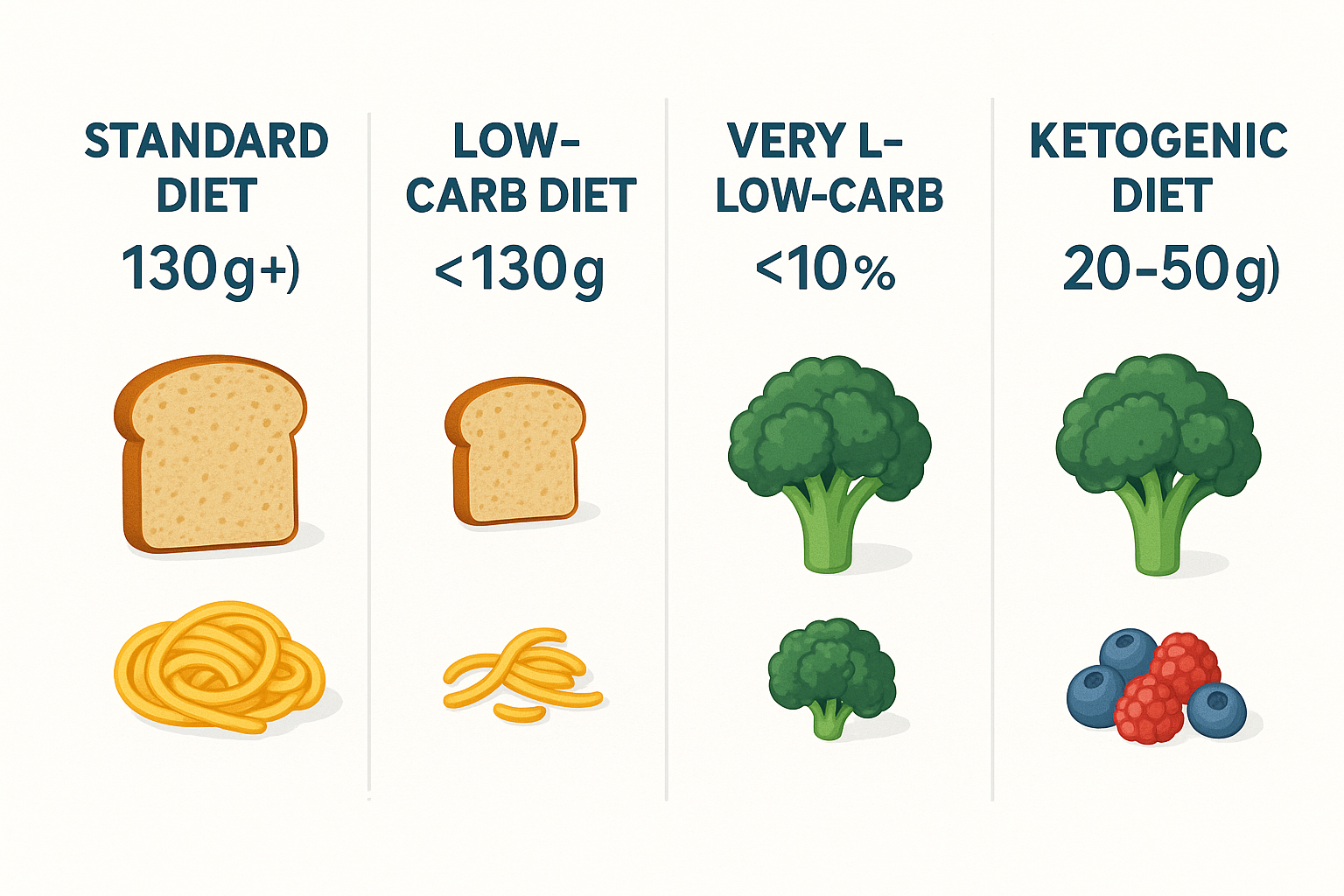
Below is a detailed comparison of the most popular low-carbohydrate diets and their specific guidelines for daily net carb intake.
| Low-Carb Diet Type | Daily Net Carb Limit | Primary Goal | Key Characteristics |
|---|---|---|---|
| Ketogenic Diet (Keto) | 20-50 grams | Nutritional Ketosis | Very high-fat (70%+), moderate protein. Strict tracking of net carbs on low-carb diets is essential. |
| Atkins 20 (Phase 1) | 20-25 grams | Induce Ketosis | The initial, most restrictive phase of the Atkins diet, designed for rapid weight loss. |
| Very Low-Carb Diet (VLCD) | < 50 grams or <10% of calories | Metabolic Health | A broader category that includes keto, often used in clinical settings for therapeutic purposes. |
| Moderate Low-Carb Diet | 50-100 grams | Weight Maintenance | Allows for a wider variety of foods, including more fruits and some starchy vegetables. |
| Liberal Low-Carb Diet | 100-130 grams | General Health | The upper limit of what is considered a low-carb diet by most expert consensus groups. |
| Paleo Diet | Varies (often 50-150g) | Whole Foods Focus | Focuses on whole, unprocessed foods. Does not explicitly track net carbs on low-carb diets, but naturally lower due to exclusion of grains and sugar. |
How to Calculate Net Carbs
Calculating net carbs on low-carb diets is a straightforward process once you know how to read a nutrition label. The key is to identify the total carbohydrates and then subtract the grams of dietary fiber and sugar alcohols.
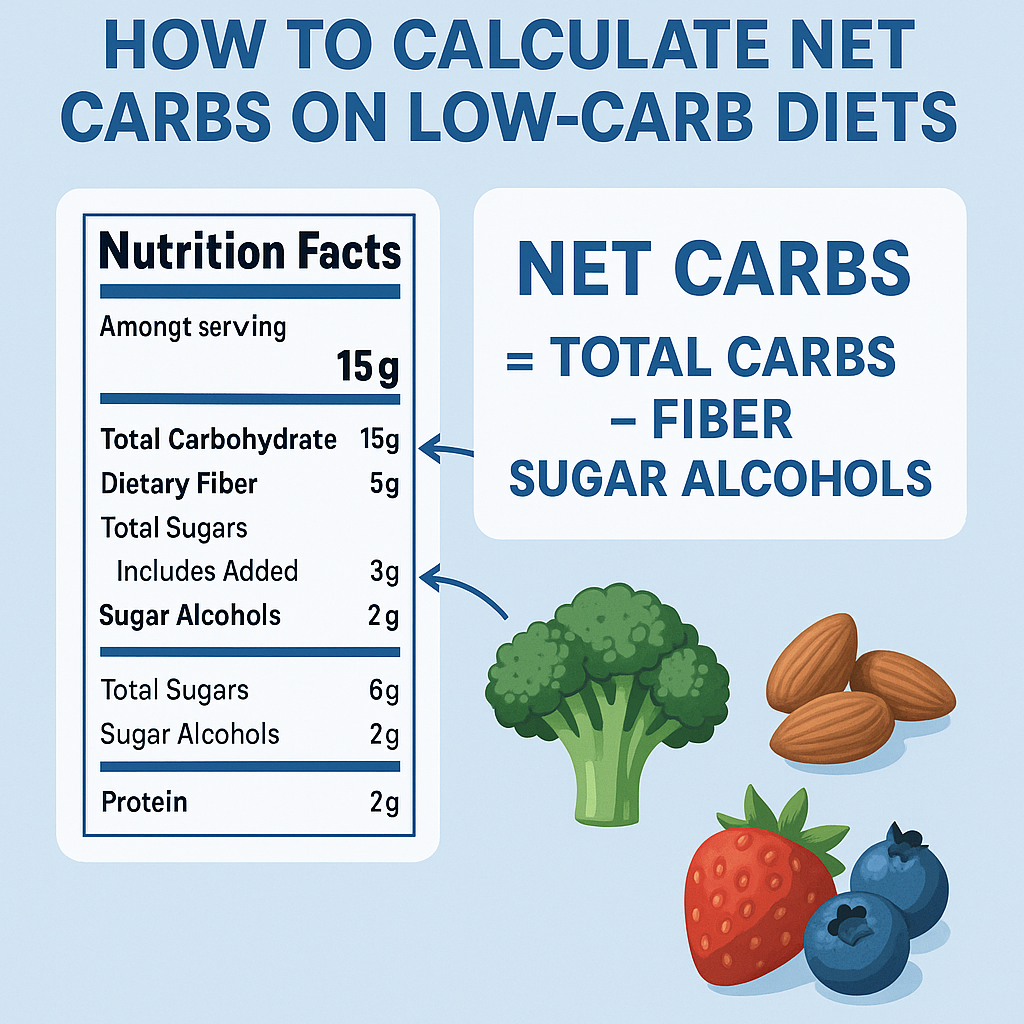
Here is a step-by-step guide to calculating net carbs for any packaged food:
- Find the Nutrition Facts Label: Locate the standardized nutrition panel on the food packaging.
- Identify Total Carbohydrates: Find the line for “Total Carbohydrate.” This is your starting number.
- Subtract Dietary Fiber: Locate the “Dietary Fiber” line directly below Total Carbohydrates. Subtract this number from the total.
- Subtract Sugar Alcohols (if applicable): If the product contains them, find the “Sugar Alcohols” line (e.g., erythritol, xylitol). Subtract this amount as well. Note that some experts recommend subtracting only half the grams of certain sugar alcohols, but for simplicity, most people subtract the full amount.
Example Calculation: A Low-Carb Protein Bar
- Total Carbohydrates: 20g
- Dietary Fiber: 12g
- Sugar Alcohols (Erythritol): 5g
20g (Total) – 12g (Fiber) – 5g (Sugar Alcohols) = 3g Net Carbs
The In-Depth Science of Fiber and Sugar Alcohols
The reason we subtract fiber and sugar alcohols when calculating net carbs on low-carb diets lies in their unique molecular structures and how they are metabolized. Unlike sugars and starches, these compounds are not easily broken down by digestive enzymes in the small intestine. A deeper understanding of these components is crucial for fine-tuning your diet.
Soluble vs. Insoluble Fiber
Dietary fiber is broadly categorized into two types, both of which are important for health but have different functions:
- Soluble Fiber: This type of fiber dissolves in water to form a gel-like substance in the digestive tract. It is known for slowing digestion, which helps you feel full longer and stabilizes blood sugar levels. Good sources include oats, barley, nuts, seeds, beans, and some fruits like apples and citrus.
- Insoluble Fiber: This type of fiber does not dissolve in water. It adds bulk to the stool and helps food pass more quickly through the stomach and intestines, promoting regularity. It is found in foods like whole grains, nuts, and vegetables like cauliflower and green beans.
Both types of fiber are fermented by gut bacteria in the large intestine, producing beneficial short-chain fatty acids (SCFAs) like butyrate, which is a primary fuel source for colon cells and has anti-inflammatory properties. Because they are not absorbed as glucose, their grams are fully subtracted from total carbs.
A Closer Look at Sugar Alcohols
Sugar alcohols, or polyols, are used as low-calorie sweeteners. Their impact on blood sugar varies significantly, which is a critical detail for anyone strictly managing net carbs on low-carb diets.
| Sugar Alcohol | Glycemic Index (GI) | Notes |
|---|---|---|
| Erythritol | 0-1 | Almost zero impact on blood sugar. Fully subtract from total carbs. |
| Xylitol | 12 | Minimal impact. Generally safe to fully subtract. |
| Sorbitol | 9 | Low impact, but can cause digestive issues in large amounts. |
| Maltitol | 35 | Has a significant impact on blood sugar. It is recommended to subtract only half of its grams. |
For those on a very strict ketogenic diet, it is often best to stick with products sweetened only with erythritol or to avoid sugar alcohols altogether to prevent any potential insulin response.
The reason we subtract fiber and sugar alcohols when calculating net carbs on low-carb diets lies in their unique molecular structures and how they are metabolized. Unlike sugars and starches, these compounds are not easily broken down by digestive enzymes in the small intestine.
Dietary Fiber is a type of carbohydrate that passes through the digestive system largely intact. It is fermented by bacteria in the large intestine, producing beneficial short-chain fatty acids, but it does not cause a significant spike in blood glucose or insulin. This is why it is excluded from the net carb count.
Sugar Alcohols are hybrid compounds that have a chemical structure similar to both sugar and alcohol. They are used as low-calorie sweeteners in many “low-carb” or “sugar-free” products. Their absorption varies; some, like erythritol, are almost entirely unabsorbed, while others, like maltitol, can have a partial impact on blood sugar. Despite this variability, they are generally subtracted to provide a more accurate count of impact carbs.
Detailed Food Guide: Net Carbs in Common Foods
Building a successful low-carb lifestyle means knowing which foods to embrace and which to avoid. This guide will help you stock your kitchen with foods that make it easy to manage your net carbs on low-carb diets.
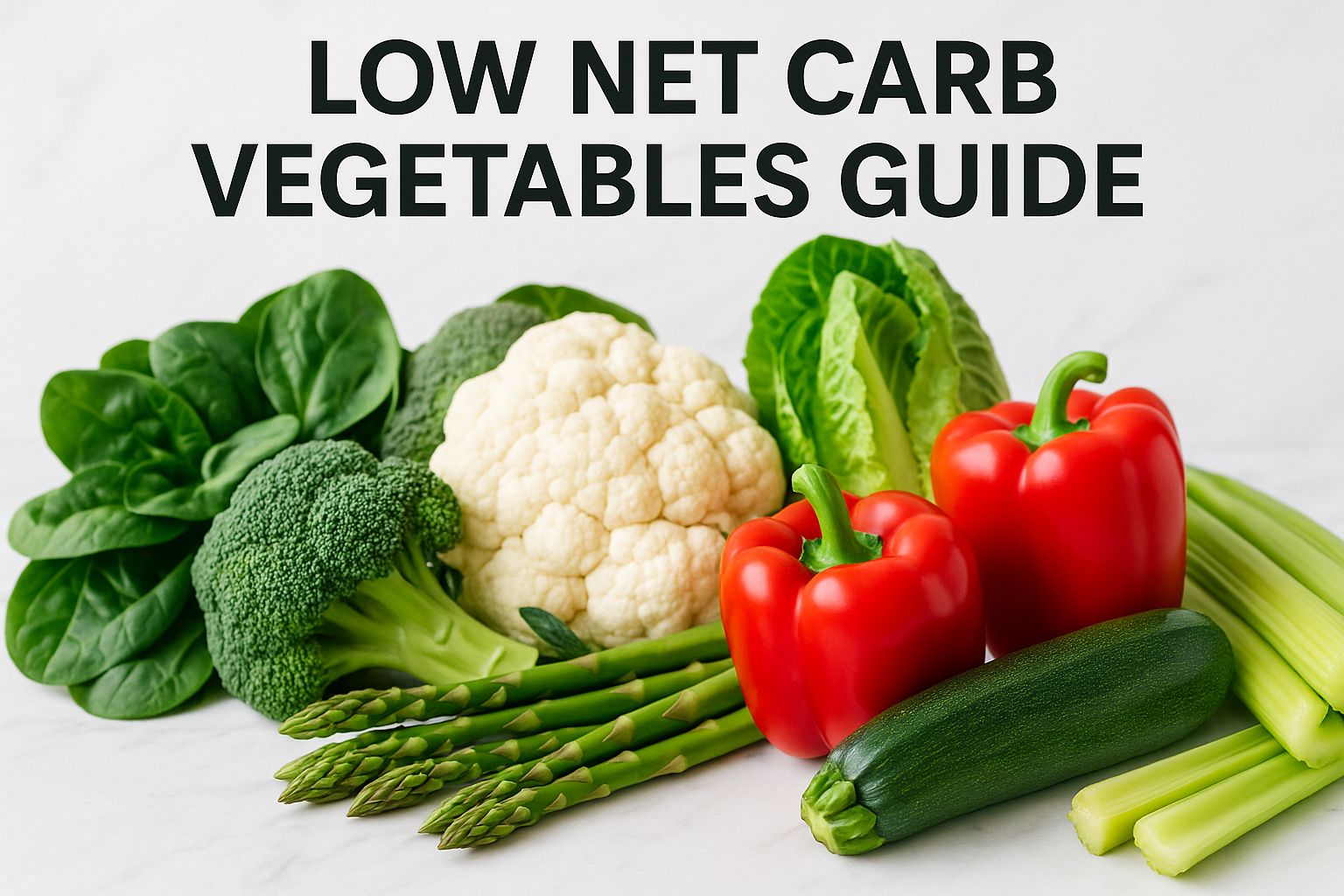
Net Carbs in Non-Starchy Vegetables (per 100g)
| Vegetable | Net Carbs |
|---|---|
| Spinach | 1.4g |
| Asparagus | 1.8g |
| Celery | 1.4g |
| Broccoli | 4.0g |
| Cauliflower | 3.0g |
| Zucchini | 2.1g |
| Bell Pepper (Green) | 2.9g |
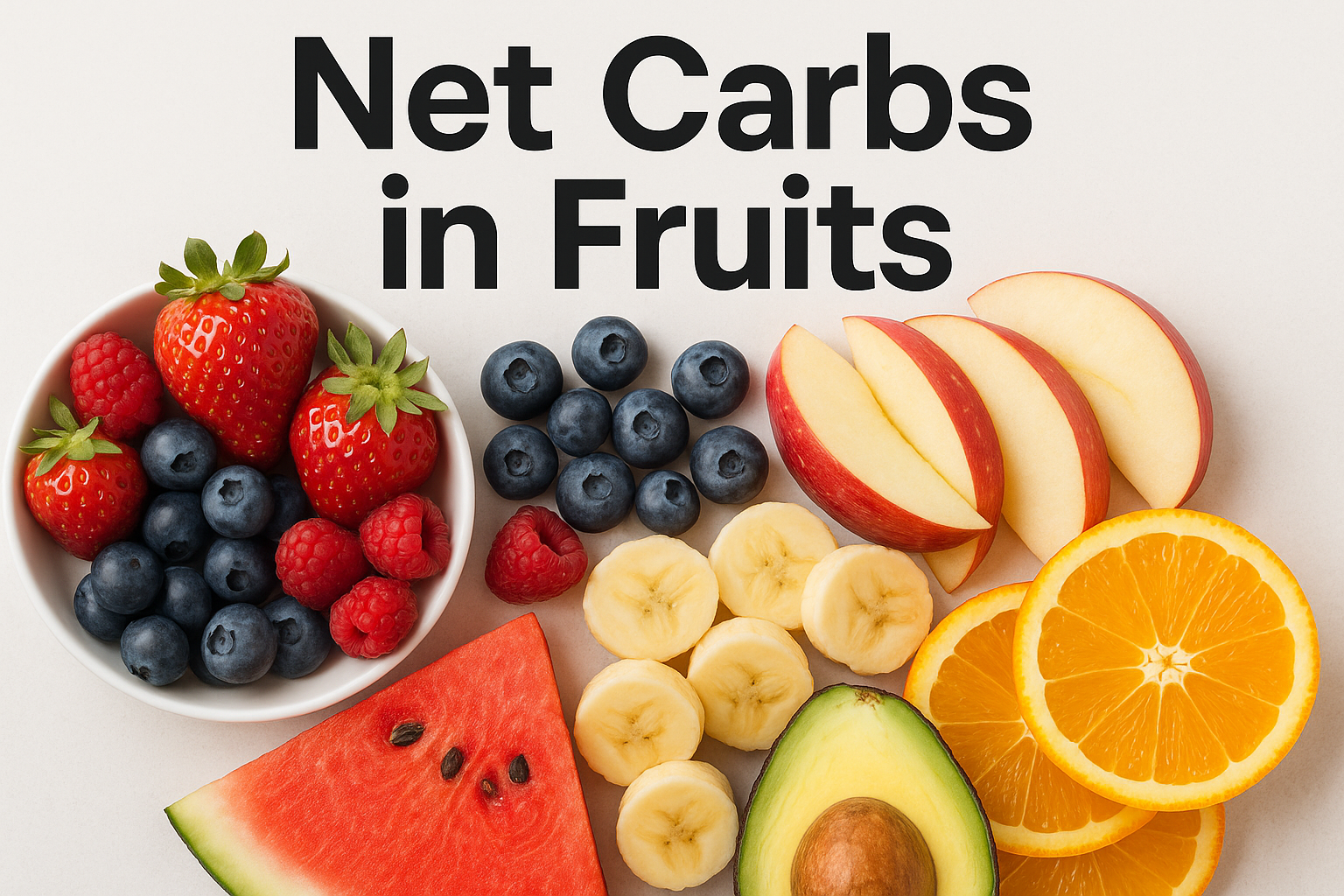
Net Carbs in Fruits (per 100g)
| Fruit | Net Carbs |
|---|---|
| Avocado | 1.8g |
| Raspberries | 5.4g |
| Strawberries | 5.7g |
| Blueberries | 12.1g |
| Apple | 11.4g |
| Banana | 20.2g |
Building a successful low-carb lifestyle means knowing which foods to embrace and which to avoid. This guide will help you stock your kitchen with foods that make it easy to manage your net carbs on low-carb diets.
Best Foods (Low in Net Carbs)
- Non-Starchy Vegetables: Leafy greens (spinach, kale), broccoli, cauliflower, zucchini, bell peppers, asparagus.
- Healthy Fats: Avocado, olive oil, coconut oil, butter, nuts, and seeds.
- Quality Proteins: Fatty fish (salmon, sardines), grass-fed meat, pasture-raised poultry, eggs.
- Low-Carb Dairy: Hard cheeses (cheddar, parmesan), full-fat cream, butter.
- Berries: Strawberries, blueberries, raspberries, and blackberries in moderation.
Worst Foods (High in Net Carbs)
- Sugary Foods & Drinks: Soda, candy, pastries, fruit juice, sweetened yogurts.
- Grains & Starches: Bread, pasta, rice, cereal, potatoes, corn.
- Most Fruits: Bananas, grapes, mangoes, and other high-sugar fruits.
- Legumes: Beans, lentils, and chickpeas (high in carbs, though they also contain fiber).
- Processed “Low-Fat” Foods: Often loaded with hidden sugars to compensate for lack of flavor from fat.
Common Mistakes When Tracking Net Carbs
Even with the best intentions, it’s easy to make mistakes when you first start tracking net carbs on low-carb diets. Being aware of these common pitfalls can help you stay on track and avoid frustrating plateaus.
5 Mistakes to Avoid
- Ignoring Portion Sizes: Even low-carb foods have carbs. Eating excessive amounts of nuts, cheese, or berries can quickly push you over your daily limit.
- Forgetting Hidden Carbs: Sauces, dressings, condiments, and processed meats often contain hidden sugars and starches. Always read the label.
- Over-relying on Processed “Low-Carb” Products: While convenient, many low-carb bars, snacks, and desserts are highly processed and can cause cravings or digestive issues for some people.
- Not Eating Enough Vegetables: Fear of carbs can lead some to avoid vegetables, but non-starchy vegetables are a crucial source of fiber, vitamins, and minerals.
- Assuming All Sugar Alcohols Are Equal: Maltitol, sorbitol, and xylitol can have a greater impact on blood sugar than erythritol. If you are sensitive, you may need to count half their grams as net carbs.
Sample Daily Meal Plans
To help you visualize how to structure your days, here are sample meal plans for three different levels of low-carb eating. These demonstrate how to manage your net carbs on low-carb diets effectively.
Ketogenic Meal Plan (<30g Net Carbs)
- Breakfast: 3 scrambled eggs cooked in butter with 1/2 avocado. (3g net carbs)
- Lunch: Large spinach salad with grilled chicken, cheese, and olive oil vinaigrette. (5g net carbs)
- Dinner: Baked salmon with a side of roasted asparagus. (4g net carbs)
- Snack: Handful of almonds. (3g net carbs)
- Total: ~15g Net Carbs
Moderate Low-Carb Meal Plan (<75g Net Carbs)
- Breakfast: Full-fat Greek yogurt with 1/4 cup of raspberries and a sprinkle of chia seeds. (15g net carbs)
- Lunch: Large mixed greens salad with steak, bell peppers, and a creamy dressing. (10g net carbs)
- Dinner: Zucchini noodles with pesto and shrimp. (15g net carbs)
- Snack: An apple with 2 tablespoons of peanut butter. (20g net carbs)
- Total: ~60g Net Carbs
Liberal Low-Carb Meal Plan (<130g Net Carbs)
- Breakfast: Oatmeal with blueberries and walnuts. (40g net carbs)
- Lunch: Turkey and cheese wrap using a low-carb tortilla with a side salad. (30g net carbs)
- Dinner: Chicken stir-fry with a variety of non-starchy vegetables and a small portion of quinoa. (40g net carbs)
- Snack: A pear. (20g net carbs)
- Total: ~130g Net Carbs
Net Carbs and Health Conditions
Managing net carbs on low-carb diets is a powerful tool for addressing several chronic health conditions, most notably Type 2 Diabetes and Polycystic Ovary Syndrome (PCOS), both of which are closely linked to insulin resistance.
For individuals with Type 2 Diabetes, restricting net carbs directly lowers blood glucose levels and reduces the need for insulin and other medications. The American Diabetes Association has acknowledged that low-carbohydrate diets are a viable and effective option for managing the disease. By minimizing the glucose load, the body can regain sensitivity to insulin over time.
In the case of PCOS, which is also characterized by high insulin levels, a low-carb approach can help regulate hormones, restore menstrual cycles, and improve fertility. The reduction in insulin helps to lower androgen levels, which are a key driver of PCOS symptoms.
Practical Tips for Success
Successfully managing your net carbs on low-carb diets is about building sustainable habits. Here are some practical tips to make tracking easier and more effective.
- Use a Tracking App: Apps like MyFitnessPal, Carb Manager, or Cronometer make it easy to log your food and automatically calculate net carbs.
- Plan Your Meals: Meal planning and prepping can help you avoid making impulsive, high-carb food choices when you’re hungry.
- Read Every Label: Make it a habit to check the nutrition facts for everything you eat. You’ll be surprised where hidden carbs can be found.
- Focus on Whole Foods: Build your diet around whole, unprocessed foods like meat, fish, eggs, vegetables, and healthy fats. These foods rarely require complex net carb calculations.
- Stay Hydrated: Drinking plenty of water can help manage hunger and support your metabolism, especially during the initial adaptation phase of a low-carb diet.
Need Help with Your Low-Carb Journey?
Use our free Net Carb Calculator to easily track your daily intake and find delicious low-carb recipes at CheckTheCarbs.com!
Benefits and Risks of Low-Carb Diets
While focusing on net carbs on low-carb diets offers significant benefits, it’s important to approach this way of eating with a balanced perspective. The research is clear on many advantages, but potential risks should also be considered.
Well-Established Benefits
- Effective Weight Loss: As confirmed by numerous studies, low-carb diets are highly effective for short- and medium-term weight loss, often outperforming low-fat diets.
- Improved Glycemic Control: By directly reducing sugar intake, these diets are a frontline strategy for managing and even reversing Type 2 Diabetes.
- Better Cardiovascular Markers: Many people experience significant improvements in triglycerides and HDL (“good”) cholesterol levels.
- Increased Satiety: The higher intake of protein and fat helps control hunger, making it easier to maintain a caloric deficit without feeling deprived.
Potential Risks and Considerations
- Nutrient Deficiencies: If not well-formulated, a low-carb diet can be low in certain vitamins, minerals, and fiber from fruits and vegetables. It’s crucial to focus on nutrient-dense, low-carb plant foods.
- “Keto Flu”: In the initial adaptation phase, some people experience symptoms like headache, fatigue, and nausea as the body switches from using carbs to fats for fuel. This is usually temporary and can be mitigated with proper hydration and electrolyte intake.
- Long-Term Sustainability: The restrictive nature of very-low-carb diets can be difficult for some people to maintain long-term. Finding a moderate low-carb approach may be more sustainable for life.
- LDL Cholesterol: While HDL and triglycerides often improve, some individuals may see a rise in LDL (“bad”) cholesterol. This is a complex topic, and the clinical significance is still debated, but it’s something to monitor with your doctor.
Conclusion: Mastering Net Carbs for a Healthier Lifestyle
Understanding and tracking net carbs on low-carb diets is the single most important skill for achieving your health and weight loss goals. By focusing on the digestible carbs that impact blood sugar and insulin, you can design a flexible, sustainable eating plan that works for you. Whether you choose a strict ketogenic approach or a more moderate low-carb diet, the principles remain the same: prioritize whole foods, read labels diligently, and be mindful of your daily intake. With this knowledge, you are well-equipped to navigate the world of low-carb eating with confidence and success.
References
- Volek, J. S., et al. (2024). Expert consensus on nutrition and lower-carbohydrate diets: An evidence- and equity-based approach to dietary guidance. *Frontiers in Nutrition*, 11. https://www.frontiersin.org/journals/nutrition/articles/10.3389/fnut.2024.1376098/full
- Oh, R., Gilani, B., & Uppaluri, K. R. (2023). Low-Carbohydrate Diet. In *StatPearls*. StatPearls Publishing. https://www.ncbi.nlm.nih.gov/books/NBK537084/
- Storz, M. A., & Ronco, A. L. (2022). Nutrient intake in low-carbohydrate diets in comparison to the 2020–2025 Dietary Guidelines for Americans: a cross-sectional study. *British Journal of Nutrition*, 129(6), 1023-1036. https://pmc.ncbi.nlm.nih.gov/articles/PMC9991840/
RELATED POSTS
View all

Net Carbs in Fruits: The Ultimate Scientific Guide for Health-Conscious Eaters
October 25, 2025 | by robbeaux