

Keto Diet for Beginners: Your Complete 30-Day Starter Guide
October 21, 2025 | by Robert Elliott
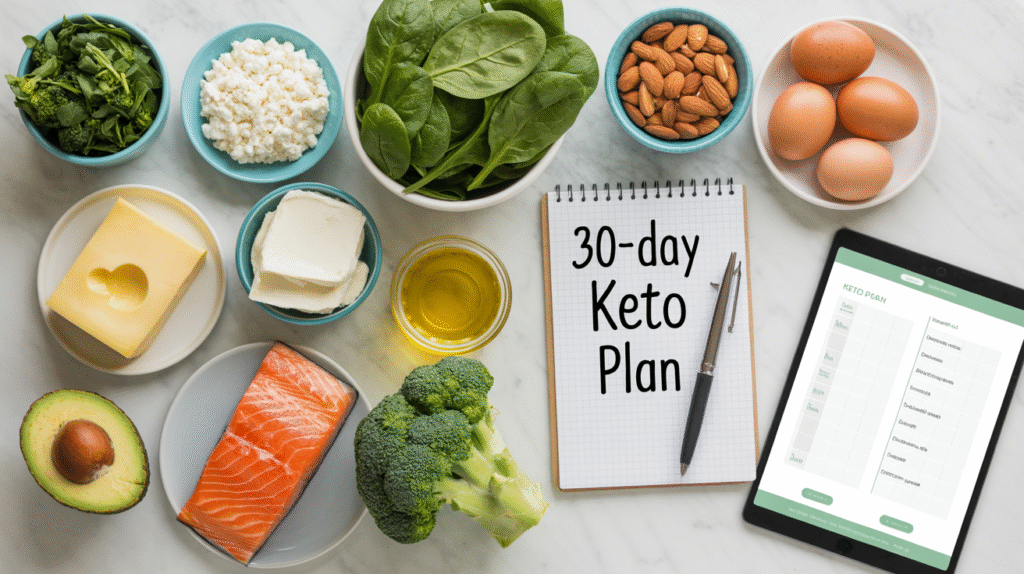
Keto Diet for Beginners: Your Complete 30-Day Starter Guide
Starting a keto diet can feel overwhelming, but it doesn’t have to be. Whether you want to lose weight, boost energy, or simply eat healthier, the keto diet is one of the most popular low-carb approaches to achieve those goals. This 30-day starter guide breaks down everything you need to know about the keto diet — from understanding net carbs to choosing the best keto-friendly meals.
Why does this matter? When you reduce carbohydrates significantly and replace them with healthy fats, your body enters a state called **ketosis**. This metabolic switch helps you burn fat for energy more efficiently. But to succeed, beginners need clear guidance on what to eat, how to track carbs, and how to stay motivated.
In this guide, we’ll cover essential keto basics, practical tips, and a simple plan to follow for your first month on keto—making your low-carb journey smooth and enjoyable.
What Is the Keto Diet?
The keto diet is a low-carb, high-fat eating plan designed to shift your body’s primary fuel source from glucose (carbs) to fat. By drastically lowering your carbohydrate intake, your liver produces ketones that provide energy.
Key Keto Basics
To achieve ketosis, you need to manage your macronutrient ratios:
- **Carbs:** Typically limited to **20-50 grams of net carbs** per day. Strict adherence, often under 20g, virtually guarantees nutritional ketosis (Source: Diet Doctor).
- **Fats:** Make up **70-80%** of daily calories.
- **Protein:** Moderate intake, around **20-35%** of calories. Excess protein can be converted to glucose, potentially hindering ketosis.
Net Carbs vs. Total Carbs
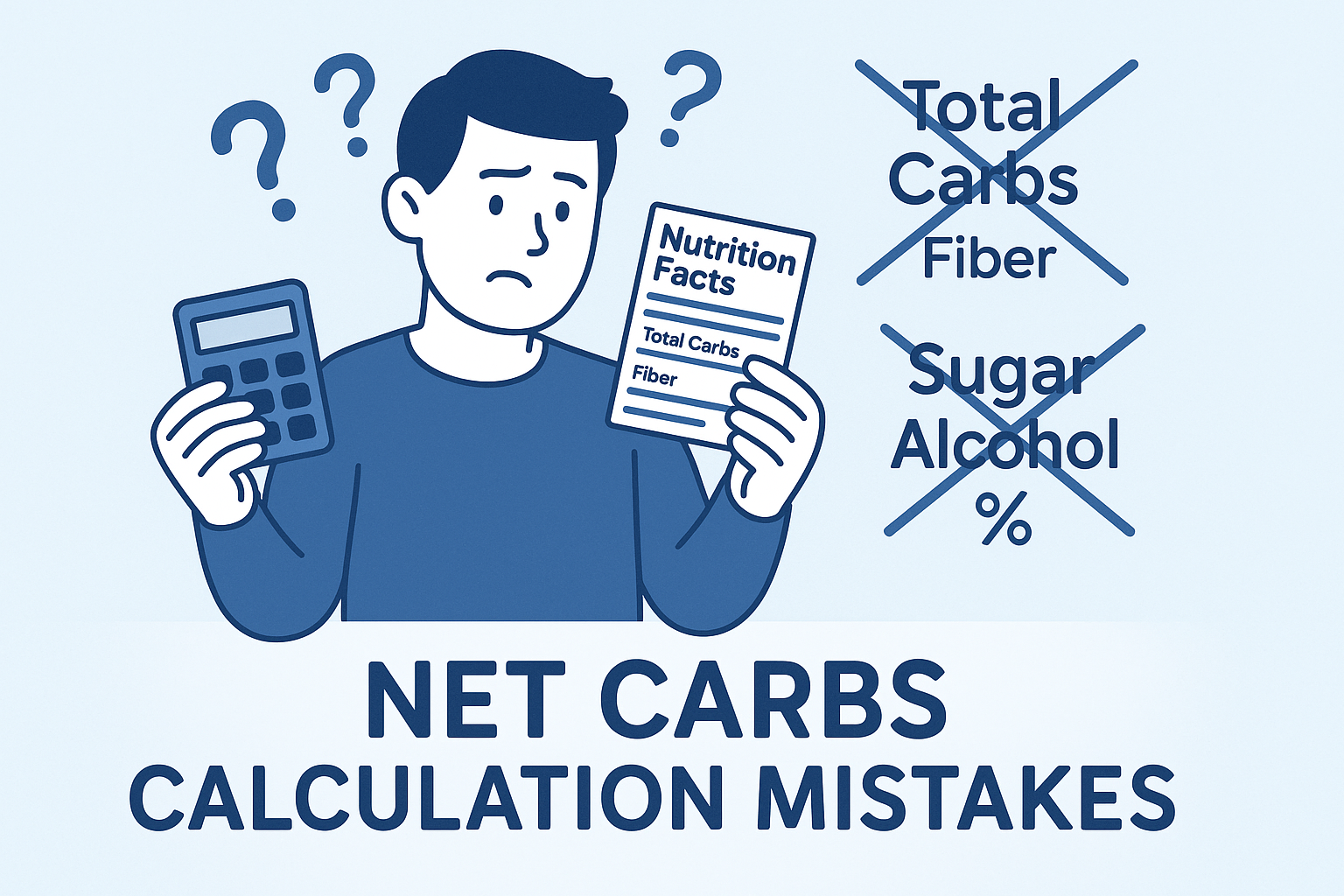
Learning the difference between net carbs and total carbs is crucial on keto.
- **Total carbs** include all carbohydrates in a food, including fiber and sugar alcohols.
- **Net carbs** = total carbs minus fiber and some sugar alcohols that don’t impact blood sugar.
Net carbs are what affect ketosis, so tracking **net carbs** helps you stay in the fat-burning state. For example, a cup of spinach has about 7 total carbs but 1 net carb, making it keto-friendly.
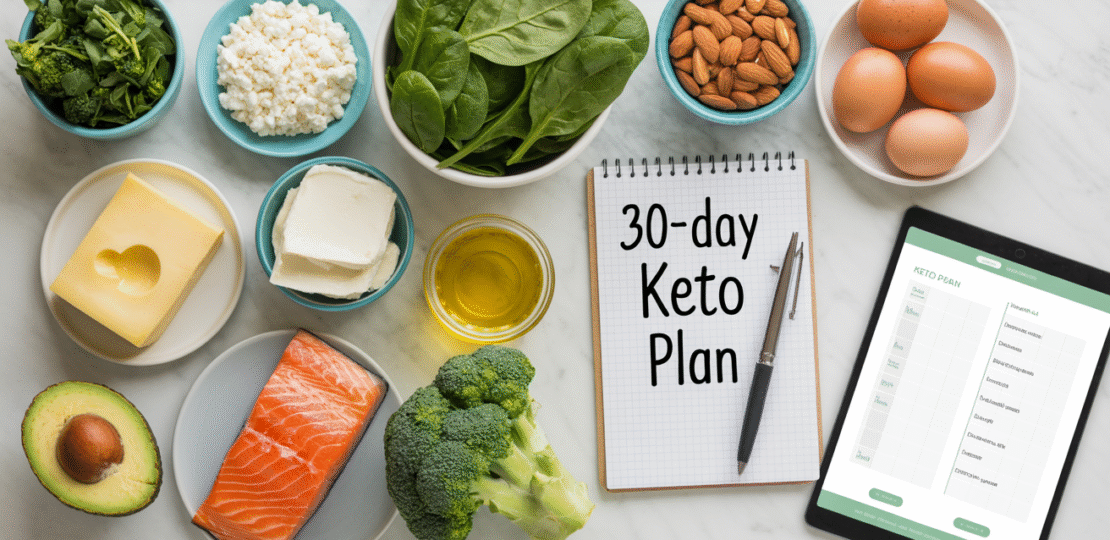
Your 30-Day Keto Meal Plan Overview
Here is a simple approach to meal planning your first month on keto.
Week 1: Getting Started
Focus on removing high-carb foods like bread, pasta, rice, and sugar. Replace them with:
- Eggs
- Leafy greens (low net carbs like kale or spinach)
- Healthy fats (olive oil, avocado)
- Protein (chicken, salmon, beef)
Week 2: Adding Variety
Introduce keto-friendly veggies and snacks such as:
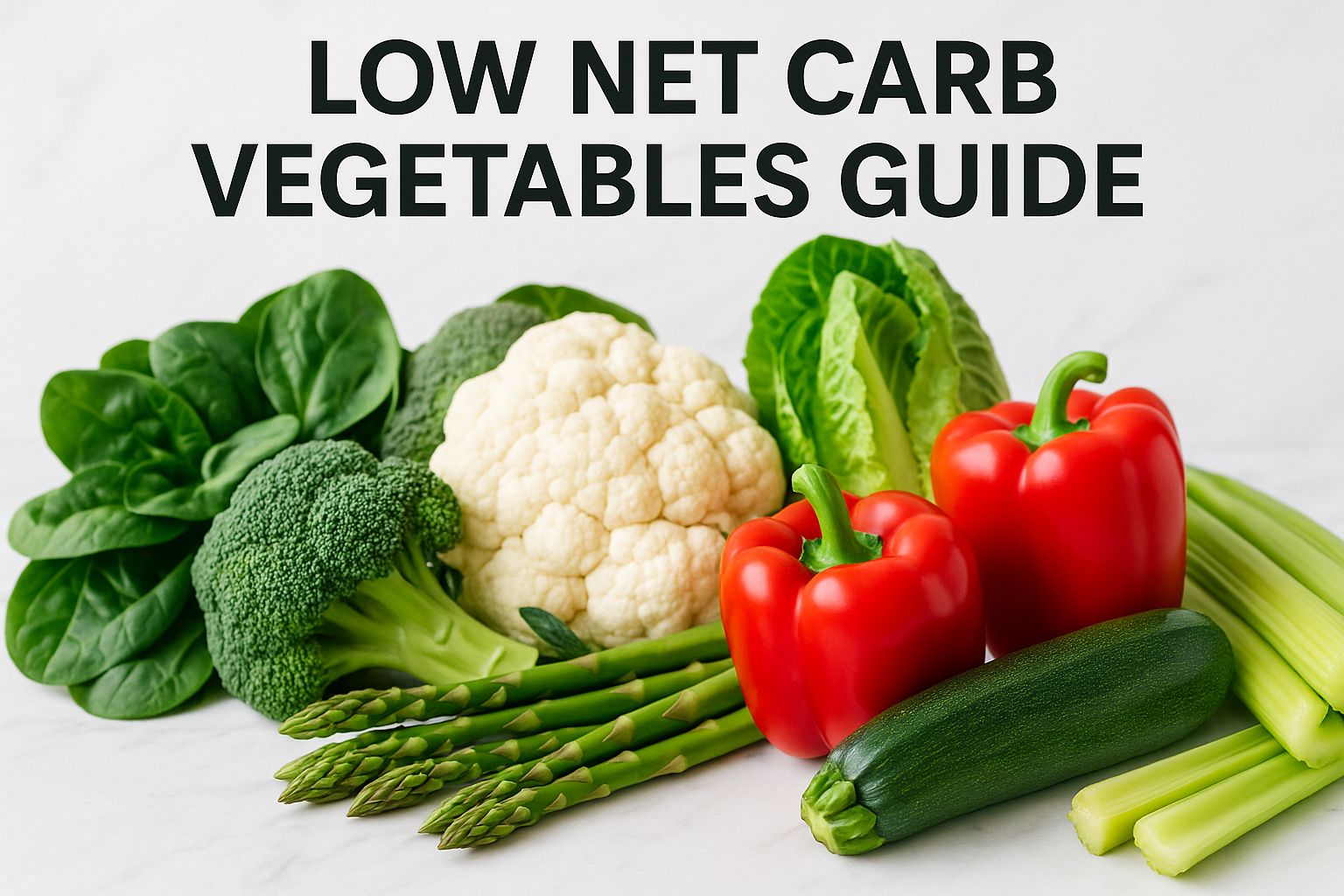
- Zucchini
- Cauliflower
- Nuts and seeds
- Cheese
Week 3: Experiment with Recipes
Try cooking keto meals using low-carb recipes. For example:
- Cauliflower rice stir-fry
- Keto avocado egg salad
- Zucchini noodles with pesto
Week 4: Track Your Progress
Use apps or a journal to track your net carbs and ketone levels. Adjust meals if you plateau or need more energy.
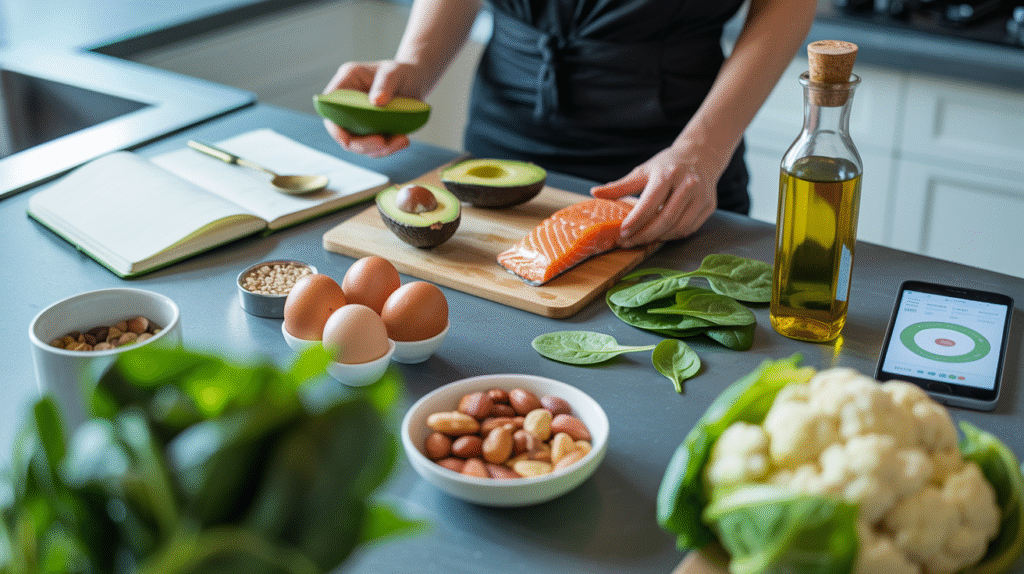
Tips for Staying on Track
- **Plan meals ahead:** Avoid last-minute carb temptations.
- **Stay hydrated:** Drink water and electrolytes to reduce “keto flu” symptoms, which are common in the first week (Source: WebMD).
- **Check labels:** Always verify the carbohydrate content in packaged foods.
- **Prepare snacks:** Keep keto-friendly snacks handy—nuts, cheese, or olives are good choices.
- **Quick Carb Check:** Use an online tool to instantly look up foods you’re unsure about.
Keto-Friendly Foods to Include
Base your meals on these low-carb staples:
- **Vegetables:** Broccoli, spinach, kale, zucchini, cauliflower (non-starchy options are key)
- **Meats & Poultry:** Beef, chicken, pork, turkey (ideally grass-fed or high-quality)
- **Fish:** Salmon, mackerel, sardines (excellent sources of Omega-3s)
- **Fats:** Avocados, olive oil, coconut oil, butter, ghee
- **Dairy:** Cheese, cream, Greek yogurt (check carb content)
Remember, veggies like carrots and onions contain more carbs, so eat in moderation.
Foods to Avoid on Keto
These foods are high in carbohydrates and will prevent ketosis:
- Bread, pasta, rice, and grains
- Sugary foods like candy, soda, desserts
- High-carb fruits like bananas, grapes, mangoes
- Starchy vegetables like potatoes, corn
- Processed snacks and sugary sauces
Understanding Carbohydrate Content with USDA Data
Relying on accurate, third-party data is essential for effective carb counting. The U.S. Department of Agriculture (USDA) provides reliable metrics through its **FoodData Central** database (Source: USDA).
For example, comparing 100g of two keto staples using USDA data:
- **Raw Spinach** (100g): Approx. 3.6g Total Carbs, 2.2g Fiber → **1.4g Net Carbs**
- **Raw Avocado** (100g): Approx. 8.5g Total Carbs, 6.7g Fiber → **1.8g Net Carbs**
Tracking based on net carbs helps you maintain ketosis without sacrificing nutrition.
How to Calculate Net Carbs
- Look at the nutrition label for total carbs.
- Subtract grams of fiber and sugar alcohols (if applicable).
- The result is your net carbs for that serving.
Example:
- Total carbs: 10g
- Fiber: 5g
- Sugar alcohols: 2g (if they don’t raise blood sugar)
- Net carbs = 10 – 5 – 2 = 3g
Conclusion
Starting the keto diet is an exciting opportunity to reset your eating habits and explore new foods. By focusing on net carbs and embracing keto-friendly ingredients like low-carb vegetables and healthy fats, you can successfully stay in ketosis. Remember to plan ahead, stay hydrated, and track your progress for optimal results. Use this 30-day guide as your roadmap, and soon you’ll feel confident tailoring keto to your lifestyle.
FAQ Section
1. What is the keto diet?
The keto diet is a low-carb, high-fat plan that encourages your body to burn fat for energy instead of carbohydrates.
2. How many net carbs should I eat daily on keto?
Most beginners aim for 20 to 50 grams of net carbs per day to stay in ketosis.
3. What are the best keto-friendly vegetables?
Leafy greens, cauliflower, zucchini, and broccoli are excellent low-carb, keto-friendly vegetables.
4. Can I eat fruits on keto?
You can eat small portions of low-carb fruits like berries, but avoid high-carb fruits like bananas and mangoes.
5. How do I calculate net carbs?
Subtract fiber and certain sugar alcohols from total carbs to find net carbs, which impact your ketosis.
6. Will the keto diet cause keto flu?
Some may experience flu-like symptoms early on; staying hydrated and replenishing electrolytes helps.
7. Is protein allowed on keto?
Yes, moderate protein intake is important, but avoid too much as excess protein can convert to glucose.
RELATED POSTS
View all