

The Ultimate Guide to Keto: Foods, Carb Limits, and Staying in Ketosis
December 11, 2025 | by robbeaux


What Does ‘Keto-Friendly’ Mean?
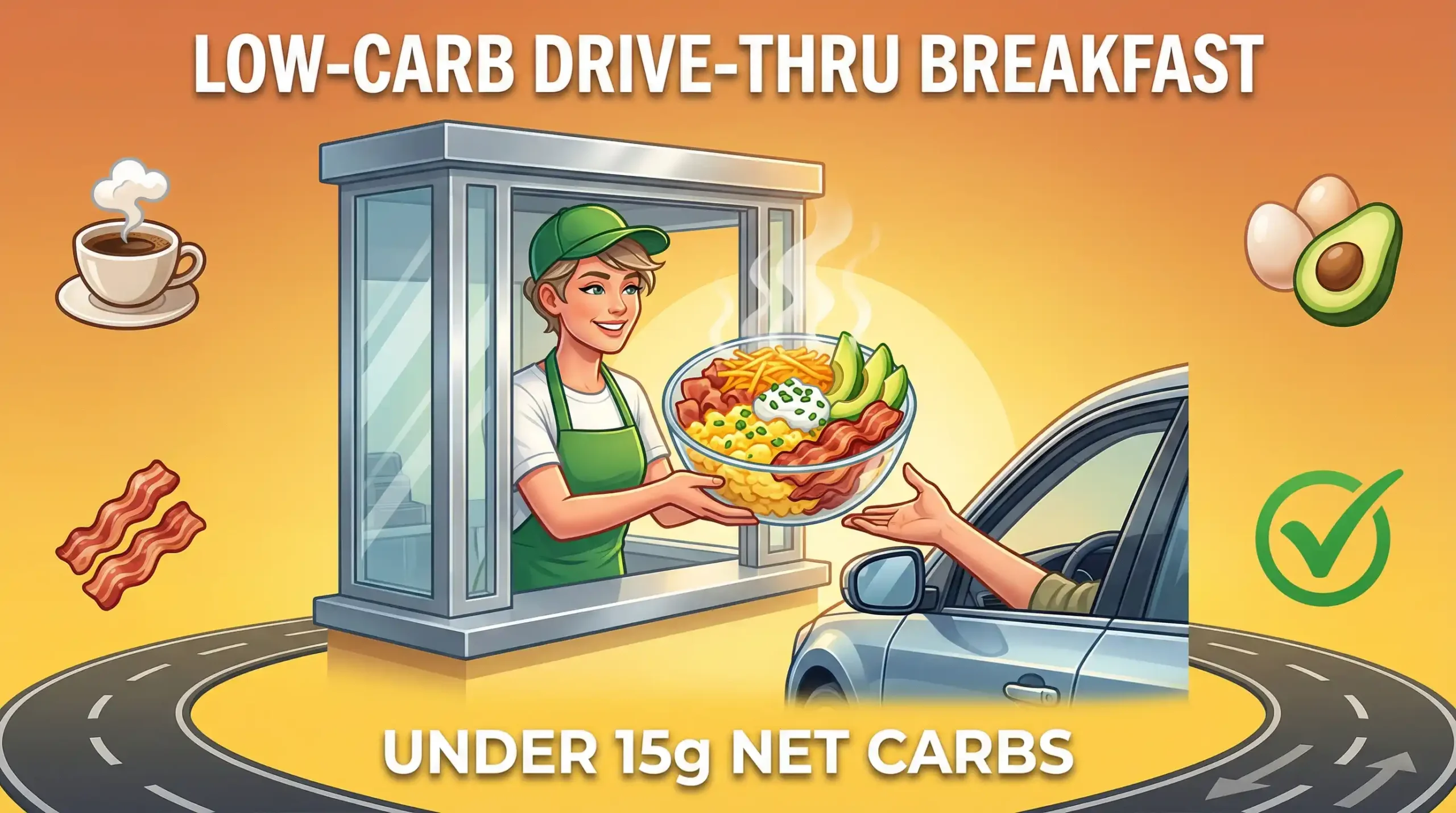
The term ‘keto-friendly’ refers to foods that align with the macronutrient profile necessary to maintain a ketogenic diet. This dietary approach is centered on high fat intake, moderate protein consumption, and drastically reduced carbohydrates, which typically range from 20 to 50 grams per day. The objective of these keto carb limits is to facilitate a metabolic state known as ketosis, where the body shifts from using glucose as its primary energy source to burning ketones, derived from fat. To achieve and sustain this state, individuals must be selective about their food sources, emphasizing a specific keto food list that underscores whole, nutrient-rich options.
Keto-friendly foods are typically rich in healthy fats, such as avocados, nuts, seeds, and olive oil, while also incorporating high-quality proteins found in meat, fish, and eggs. It is a common misconception that all fats are suitable for the ketogenic diet; however, not all fats are created equal. Whole foods that are minimally processed are preferred as they promote overall health and improve satiety. This contrasts with processed foods, which may contain unhealthy additives, hidden sugars, or trans fats that can hinder progress towards ketosis and negatively impact health.
Additionally, understanding the distinction between keto foods to eat and those to avoid is vital for newcomers to the diet. Foods that are high in sugars and starches, such as bread, pasta, and sugary snacks, are not considered keto-friendly because they can quickly elevate daily carbs for ketosis, moving the body out of its preferred fat-burning state. By prioritizing verified keto-friendly options and selecting whole foods, individuals can enhance nutritional intake while successfully navigating the strict guidelines of the ketogenic lifestyle.
Understanding Net Carbs vs Total Carbs
When embarking on a keto diet, one essential concept to grasp is the distinction between net carbs and total carbs. Carbohydrates are a primary source of energy in many diets, but the ketogenic approach requires careful monitoring to maintain ketosis. While total carbs include all carbohydrates in a food item, net carbs are calculated by subtracting fiber and certain sugar alcohols from the total carbohydrate count. This differentiation is crucial because fiber, being indigestible, does not spike blood sugar, meaning it has little impact on the body’s carbohydrate intake.
In practical terms, to derive the net carbs in a food item, one must take the total carbs and deduct both fiber content and allowable sugar alcohols, such as erythritol. For example, if a serving of a food item has 10 grams of total carbs, 6 grams of fiber, and 2 grams of erythritol, the net carb count would be 10 – 6 – 2, resulting in just 2 grams of net carbs. This lower figure is significant for those following keto diet guidelines, as the actual amount of carbohydrates that can affect ketosis is minimized.
Understanding net carbs can directly influence daily eating choices within a keto food list. For individuals adhering to strict keto carb limits—often around 20 to 50 grams of net carbs daily—this calculation becomes a vital tool. It allows for a greater variety of keto friendly foods, as many high-fiber items, such as vegetables and nuts, contribute positively to the fiber intake without exceeding daily carb limits. Therefore, knowing how to accurately calculate net carbs informs better dietary choices, ensuring one stays aligned with keto foods to eat while maintaining an effective state of ketosis.
Ultimately, the knowledge of net carbs vs total carbs enriches the understanding of how to manage daily carbs for ketosis, paving the way for a successful keto lifestyle.
Carb Limits: Standard Targets for Ketosis
The ketogenic diet emphasizes significant reductions in carbohydrate intake, which is crucial for achieving and maintaining ketosis. Generally, the standard targets for daily carb consumption on a keto diet are set at 20g, 30g, and 50g of net carbs. These limits are widely recognized among nutritionists and keto enthusiasts, with each range catering to different levels of experience and individual metabolic responses.
For beginners, starting at 20g of net carbs per day is often recommended. This strict limit can help ensure that the body enters ketosis quickly, initiating the process of fat burning. By sharply reducing carb intake, beginners can efficiently deplete glycogen stores and prompt the liver to start producing ketones from fat. This transition may come with side effects, commonly referred to as the “keto flu,” but many find that the benefits outweigh these initial challenges.
Conversely, more experienced dieters may find that a slightly higher daily carb limit, such as 30g or even 50g, allows for greater flexibility while still promoting ketosis. Individuals often adapt to this way of eating over time, and understanding one’s body can lead to a personalized experience. Those familiar with their body’s response to certain foods can incorporate a wider selection of keto-friendly foods, making the diet more sustainable in the long term.
To determine the optimal carb limit for personal needs, individuals should consider factors such as activity level, metabolism, and weight loss goals. Monitoring body response through methods such as blood ketone testing can provide insights into whether the chosen carb limit effectively maintains ketosis. Establishing a custom keto food list based on one’s limits can help tailor meals accordingly, ensuring that the diet remains both enjoyable and nutritious.
Comprehensive List of Keto-Friendly Food Categories
Adopting a keto diet involves carefully selecting foods that align with the low-carb, high-fat principles of this eating regimen. Below is a detailed enumeration of various food categories that are widely accepted in a ketogenic diet, offering readers a clear reference for keto-friendly foods that enable the achievement of daily carb limits crucial for ketosis.
1. Vegetables: Non-starchy vegetables are an essential component of any keto food list. Leafy greens such as spinach, kale, and Swiss chard are excellent choices. Other low-carb options include broccoli, cauliflower, zucchini, and bell peppers. These vegetables not only provide essential nutrients but also help to keep the total daily carbs for ketosis in check.
2. Meats: A variety of meats are encouraged in a keto diet. Options such as beef, pork, lamb, and poultry are excellent sources of protein and healthy fats. Choosing fatty cuts, like ribeye or chicken thighs, can contribute to reaching the necessary fat intake while remaining within keto carb limits.
3. Dairy: Full-fat dairy products are also prominent in a ketogenic diet. Items like cream cheese, heavy cream, and cheese can enhance meals while providing additional fats. However, it is advisable to monitor portions of milk or yogurt, as they contain more carbohydrates.
4. Nuts and Seeds: Nuts and seeds are healthy snacks that contribute beneficial fats and protein. Varieties such as almonds, walnuts, chia seeds, and flaxseeds are perfect keto foods to eat. These small additions can increase satiety while ensuring adherence to keto guidelines.
5. Fats: Since the keto diet emphasizes fat intake, sources like olive oil, coconut oil, and avocados are essential. These fats are not only suitable for cooking but can also serve as additions to salads and other dishes, further aiding in maintaining daily carb limits.
In conclusion, focusing on these food categories enables adherence to the keto diet while providing sufficient nutrients required for a healthy lifestyle. Each category contains a variety of options to ensure diversity and enjoyment within the dietary restrictions posed by a ketogenic lifestyle.
Foods to Enjoy Freely, in Moderation, and Rarely
Following a keto diet necessitates a conscious effort to choose foods that align with the diet’s carb limits while ensuring nutritional adequacy. To facilitate these choices, it is beneficial to categorize foods into three distinct groups: those that can be enjoyed freely, those that should be consumed in moderation, and those that are best eaten rarely or avoided altogether.
Firstly, foods that can be enjoyed freely include high-fat, low-carb options that provide essential nutrients without exceeding daily carbs for ketosis. These foods often include leafy green vegetables, avocados, nuts, and seeds. For example, spinach and kale are excellent keto friendly foods that can be added generously to salads or smoothies. Additionally, fatty cuts of meat and full-fat dairy products like cheese and heavy cream can be incorporated into meals liberally, as they support satiety while keeping carbs low.
In contrast, certain foods should be consumed in moderation due to their potential impact on the overall carb intake. Examples of these include berries, which can be enjoyed in limited quantities due to their relatively higher carb content compared to other fruits. Likewise, some nuts, such as cashews and chestnuts, should be limited as they can quickly add up in carbs on the keto food list. This moderation helps in maintaining the daily carbs for ketosis while allowing for some variety in the diet.
Lastly, foods to be eaten rarely or avoided altogether usually include high-carb foods that can hinder or disrupt the state of ketosis. These comprise grains, legumes, sugary treats, and most fruits. Foods like bread, pasta, and rice are significant sources of carbs that can easily breach the keto carb limits and should, therefore, be replaced with keto foods to eat that are low in carbohydrates. By understanding these classifications, individuals can make informed decisions that support their ketogenic lifestyle and enhance overall health.
Sample Daily Meal Templates for Different Carb Goals
To successfully adhere to the keto diet, it is essential to choose meals that align with your targeted carb limits. Below are sample daily meal templates catered to different carb goals: 20g, 30g, and 50g of net carbs. These templates demonstrate the variety of keto-friendly foods you can enjoy while effectively managing your daily carbs for ketosis.
Meal Plan for 20g of Net Carbs
Breakfast: Scrambled eggs cooked in butter with spinach and feta cheese (3g net carbs).
Lunch: Grilled chicken salad with mixed greens, avocado, and olive oil dressing (7g net carbs).
Snack: A small handful of macadamia nuts (2g net carbs).
Dinner: Baked salmon with asparagus sautéed in garlic and olive oil (6g net carbs).
Total: 18g net carbs.
Meal Plan for 30g of Net Carbs
Breakfast: Chia seed pudding made with coconut milk and topped with berries (8g net carbs).
Lunch: Zucchini noodles with pesto sauce and grilled shrimp (10g net carbs).
Snack: Celery sticks with cream cheese (3g net carbs).
Dinner: Grass-fed beef stir-fry with bell peppers and broccoli (9g net carbs).
Total: 30g net carbs.
Meal Plan for 50g of Net Carbs
Breakfast: Omelette with mushrooms, cheese, and ham (5g net carbs).
Lunch: Cobb salad with bacon, egg, avocado, and a low-carb dressing (12g net carbs).
Snack: Greek yogurt with a sprinkle of cinnamon and almonds (10g net carbs).
Dinner: Grilled pork chops with a side of cauliflower mash (10g net carbs).
Additional Snack: A few squares of dark chocolate (3g net carbs).
Total: 50g net carbs.
These meal plans illustrate how to incorporate various keto foods to eat while remaining within designated carb limits. By using these templates, individuals can maintain their keto diet effectively and enjoy diverse keto-friendly meals each day.
Tips for Staying in Ketosis with Confidence
Maintaining a state of ketosis requires commitment and careful planning, but with the right strategies, it can be achieved successfully. One of the foremost tips for staying in ketosis is effective meal planning. Creating a weekly meal plan enables you to select keto-friendly foods ahead of time and helps to ensure you remain within the daily carb limits necessary for achieving ketosis. A well-structured keto food list can be highly beneficial, allowing for easy reference when grocery shopping and meal prep.
Reading food labels is another essential practice for those on the keto diet. Many processed foods may contain hidden sugars or high carbohydrate ingredients that can disrupt ketosis. By carefully scrutinizing the nutritional information, you can better manage your daily carbs for ketosis and make informed decisions about what to include in your diet.
Cravings are a common challenge for individuals undertaking a keto lifestyle. It is crucial to recognize these urges early and identify keto foods to eat that can satisfy them. For instance, high-fat snacks like nuts or avocados can offer satiety without exceeding your carb limits. Additionally, staying hydrated and consuming electrolytes can alleviate cravings and improve overall energy levels.
Incorporating physical activity into your daily routine can also support your ketogenic journey. Regular exercise not only aids in managing weight but can also facilitate the use of fat for energy, further aiding in the maintenance of ketosis. Engaging in different forms of physical activity, from strength training to aerobic exercises, can enhance your metabolic flexibility.
Finally, monitoring ketone levels can provide insight into whether you are successfully maintaining a state of ketosis. Various testing methods are available, including blood, urine, and breath tests, which help identify any fluctuations in your ketosis status. Recognizing the signs of being out of ketosis, such as fatigue or cravings, will help you adjust your dietary choices promptly, keeping you on track. By implementing these strategies, you can navigate the keto diet with confidence and increase your chances of success.
Related Cluster Posts to Explore
For those looking to enhance their understanding of the ketogenic lifestyle, exploring related topics can be incredibly beneficial. One key area to consider is identifying high-carb foods to avoid on a keto diet. Many individuals encounter difficulties adhering to the dietary restrictions of keto due to the prevalence of hidden carbs in everyday foods. Learning about these high-carb foods and understanding their nutritional profiles can provide more clarity on how to make informed choices when assembling your keto food list.
Additionally, a comprehensive keto snack list is an invaluable resource for anyone following a ketogenic lifestyle. Snacks are often an overlooked aspect of dieting but can significantly impact daily carb limits and overall satisfaction. A well-curated selection of keto-friendly snacks ensures that you can indulge in delicious bites without jeopardizing your daily carbs for ketosis. Incorporating snacks like nuts, cheese, and low-carb vegetables can keep cravings at bay while adhering to the parameters of the keto diet.
Furthermore, calculating keto macros is essential for anyone serious about following the ketogenic diet. Understanding how to measure macronutrients ensures that you can maintain proper levels of fat, protein, and carbs conducive to staying in ketosis. By analyzing your personal dietary needs and these macronutrient ratios, you can better tailor your meals to meet your individual goals. Numerous guides are available that offer detailed insights on how to effectively calculate and track these macros, making your keto journey more structured and successful.
Through this interconnected approach, you will not only learn about what keto foods to eat but also how to navigate potential pitfalls that could disrupt your ketosis. Engaging with these related cluster posts can significantly enhance your journey toward a sustainable and informed ketogenic lifestyle.
Common Misconceptions About Keto and Carb Limits
The ketogenic diet has garnered significant attention in recent years, leading to widespread discussions and misconceptions regarding its principles, particularly concerning carbohydrate consumption. One prevalent misconception is the belief that all carbohydrates are detrimental to health. While it is true that the keto diet focuses on drastically reducing carbohydrate intake to achieve ketosis, it is essential to recognize that not all carbs should be automatically classified as harmful. In fact, certain keto-friendly foods, such as leafy greens and berries, can be beneficial and nutritious components of a well-structured keto diet.
Another common misunderstanding is the idea that consuming high amounts of fat is inherently unhealthy. The ketogenic diet emphasizes healthy fats as a primary energy source while keeping carb intake low to maintain a state of ketosis. It is crucial to distinguish between unhealthy fats and healthy fats. Foods rich in monounsaturated and polyunsaturated fats, like avocados, nuts, and olive oil, are encouraged within the framework of the diet, while trans fats and excessive saturated fats should be limited. Therefore, the notion that “eating too much fat” leads to adverse health effects is misleading when it comes to keto-friendly foods.
Additionally, some individuals believe that once they reach the daily carb limit for ketosis, they can indulge in high-carb foods again without repercussions. However, exceeding the keto carb limits can shift the body out of ketosis, hindering its ability to burn fat efficiently. Thus, maintaining awareness of the daily carb limits for ketosis is key to staying in this metabolic state. By debunking these myths, individuals can better understand the keto food list and realize that a balanced approach towards carb intake, focusing on quality and nutrient-dense options, can optimize their success on the keto diet.
RELATED POSTS
View all