

Top High Net-Carb Foods to Avoid on Keto: Simple Swaps for Success
December 10, 2025 | by robbeaux

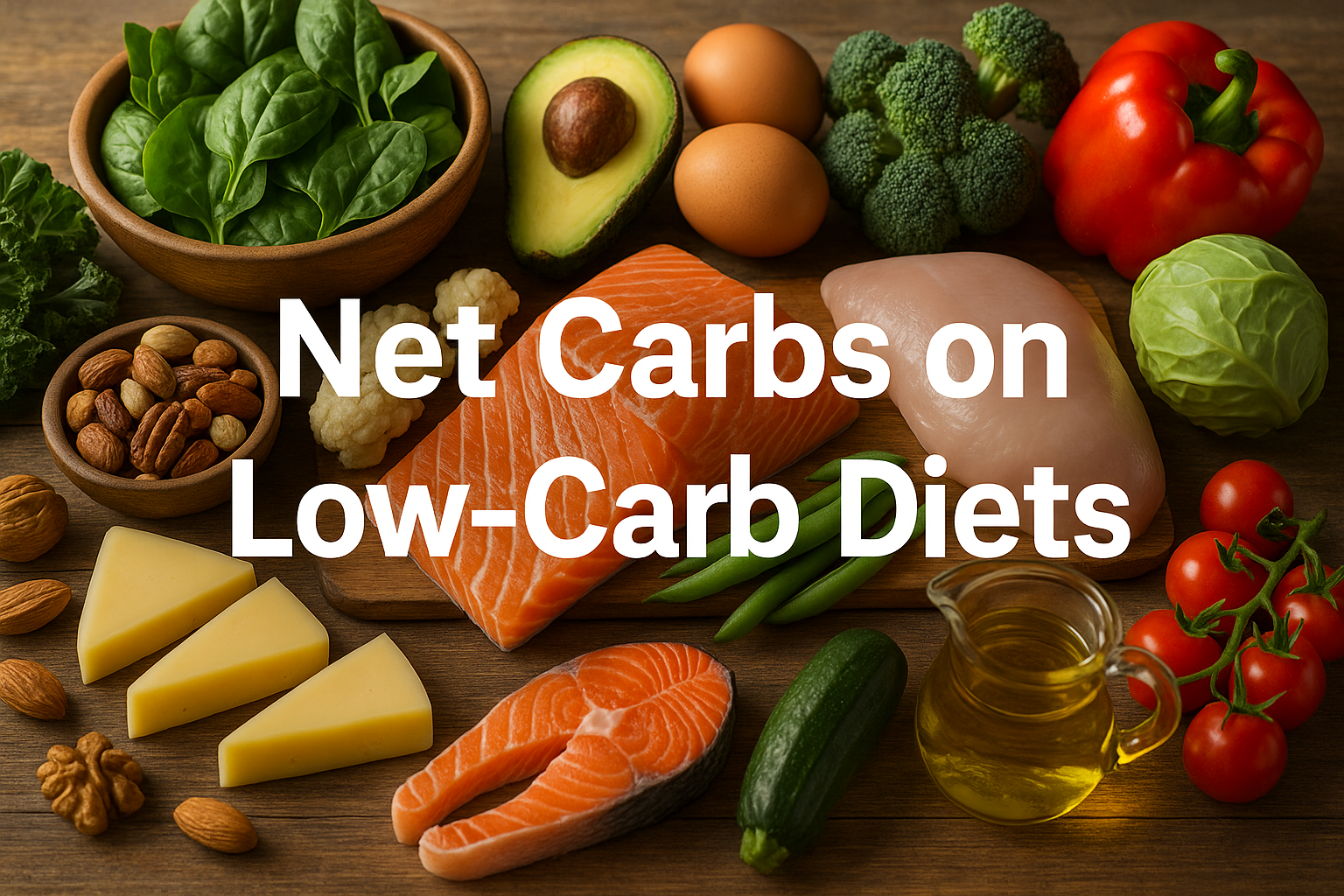
Understanding Net Carbs and Their Importance in Keto
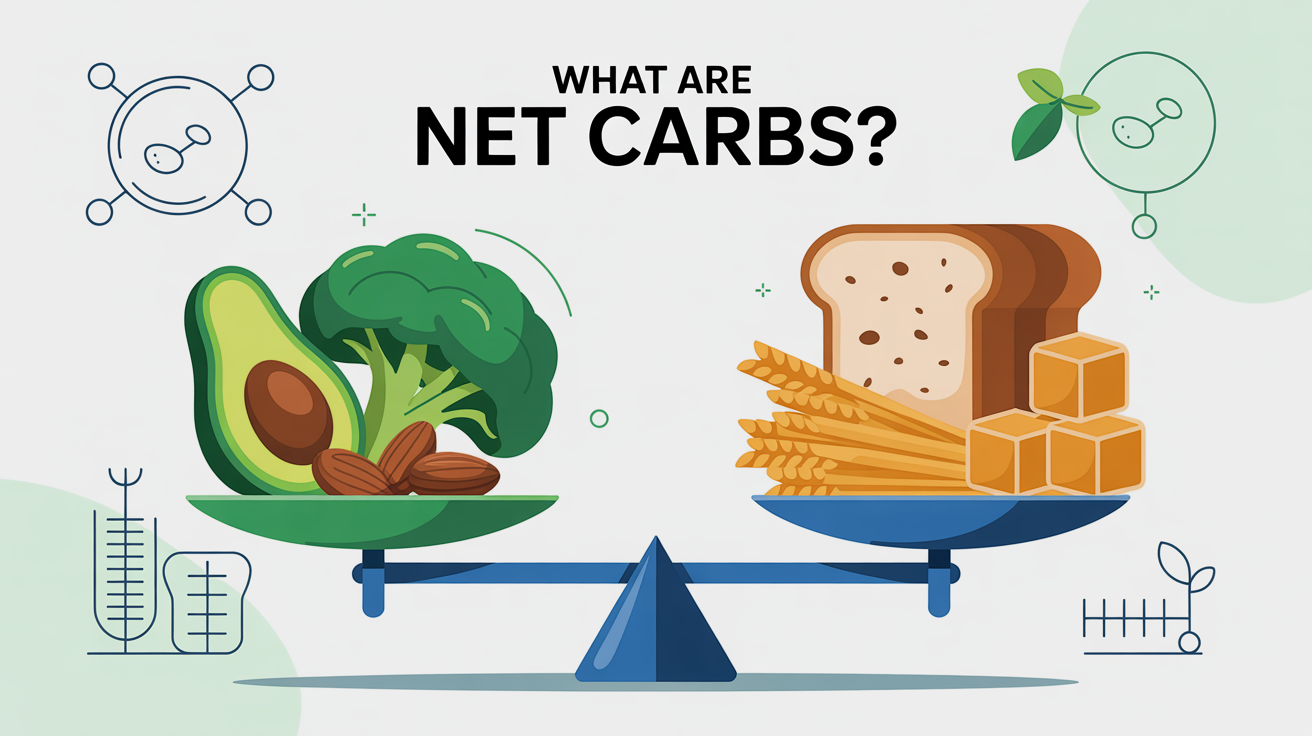
In the context of a ketogenic diet, understanding net carbs is essential for successfully achieving and maintaining a state of ketosis. The term “net carbs” refers to the total carbohydrates in food minus dietary fiber and certain sugar alcohols that the body does not fully absorb. This calculation is crucial because fiber is not digested and does not impact blood sugar levels; thus, it does not hinder the metabolism required for ketosis. For those on a keto diet, it is generally recommended to keep net carb intake to a range of 20-30 grams per day.
Achieving and maintaining ketosis, a metabolic state where the body uses fat as its primary fuel source instead of carbohydrates, is the primary goal of many following a ketogenic lifestyle. High net carb foods can significantly disrupt this state, leading the body to revert to consuming glucose for energy instead of fat. As a result, individuals striving for ketosis must be vigilant about their net carb consumption.
Foods that are high in net carbs can include grains, starchy vegetables, and certain fruits. These foods, while often nutritious, can contribute to exceeding the daily carbon threshold, undermining the effectiveness of the ketogenic approach. Therefore, it is essential to make informed decisions when selecting food items, opting for those that are low in net carbs and rich in healthy fats. By focusing on reducing net carb intake, individuals can enhance their chances of reaching long-term ketogenic goals.
Ultimately, understanding net carbs and their calculation plays a fundamental role in the ketogenic lifestyle. By substituting high net carb foods with low-carb alternatives, individuals are better positioned to maintain ketosis and achieve the various health benefits associated with the diet.
High Net-Carb Foods to Avoid: Major Categories
When embarking on a ketogenic diet, understanding which foods to avoid is essential for maintaining the desired state of ketosis. Several major categories of high net-carb foods can significantly impede progress and derail carb counting. Identifying these categories aids in making informed choices to ensure success on a keto journey.
The first notable category is grains. Foods such as bread, pasta, rice, and cereals are high in carbohydrates and can quickly elevate blood sugar levels. Consuming these items can lead to exceeding the daily net carb limit, making it challenging to maintain ketosis. Instead of grains, consider low-carb alternatives such as cauliflower rice or zucchini noodles.
Next on the list are sugars, which can be found not only in desserts but also in many processed foods. Table sugar, honey, maple syrup, and high fructose corn syrup are some examples. These sugars raise insulin levels and encourage fat storage, contrary to the goals of a ketogenic diet. It is advisable to replace sugary items with keto-friendly sweeteners like stevia or erythritol.
Starchy vegetables such as potatoes, corn, and peas are another category to sidestep. Although nutritious, the carbohydrate content in these vegetables can inhibit ketosis. Opting for non-starchy alternatives like leafy greens, broccoli, and cauliflower helps keep carbs in check while still providing essential nutrients.
Most fruits also pose a challenge due to their natural sugar content. Fruits like bananas, apples, and grapes should be avoided in favor of lower-carb options such as berries, which offer vitamins while minimizing carb intake.
Processed snacks and sweetened beverages round out the high net-carb categories to omit. Potato chips, crackers, and sugary sodas contribute significant carbohydrates without substantial nutritional benefits. Choosing whole, unprocessed foods can help mitigate these issues while adhering to a keto lifestyle.
Hidden High-Carb Foods: What to Watch Out For
As individuals embark on a ketogenic diet, it is essential to recognize that not all high-carb foods are prominent or obvious. Many everyday products can contain surprising amounts of carbohydrates that can inhibit achieving and maintaining ketosis. A key area to watch out for includes sauces and dressings, which often incorporate sugar or refined oils that elevate their carbohydrate content. For instance, commercially prepared barbecue sauce, ketchup, and certain salad dressings may seem harmless but can contain high levels of added sugars and artificial ingredients. Careful label scrutiny is crucial in identifying these hidden sources of carbs.
Another category that often goes unnoticed is legumes, particularly beans. While they are a source of protein and fiber, many varieties such as chickpeas, lentils, and black beans can have a higher net carb count than anticipated. These foods can significantly add to the daily carbohydrate allowance, making their consumption a potential setback for those on a keto regimen. Instead of reaching for beans, consider lower-carb alternatives like cauliflower or zucchini, which offer the texture and nutritional benefits without the carb load.
Additionally, consumers must be cautious about fat-free or low-fat food products. These often contain added sugars to compensate for taste, leading to an increased carbohydrate content. Foods branded as “fat-free” can give a misleading perception of being healthy; therefore, examining nutritional labels becomes paramount. When labeled as fat-free, these items are frequently higher in sugar, making them unsuitable for a ketogenic diet.
Being vigilant about these seemingly innocuous items can aid in better carb management. It is vital to adopt a proactive approach to reading labels and understanding ingredient lists, ensuring that hidden carbs do not derail keto objectives. Careful monitoring will support achieving and sustaining a successful ketogenic lifestyle.
Quick Keto Alternatives: Swapping Out High Net-Carb Foods
Adhering to a ketogenic diet can be challenging, especially when it comes to identifying high net-carb foods that need to be minimized. However, making simple dietary swaps can significantly ease this transition while keeping your meals enjoyable. For those accustomed to the texture and flavor of traditional baking, replacing regular flour with almond flour is an excellent choice. Almond flour contains significantly fewer carbohydrates and adds nutritional benefits such as increased protein and healthy fats. This substitution works well in recipes for bread, cakes, or even as a thickening agent for sauces.
When it comes to vegetables, the ketogenic diet encourages a focus on low-carb options. Instead of incorporating starchy vegetables like potatoes or corn, consider substituting them with leafy greens, zucchini, or cauliflower. Cauliflower, for example, can be transformed into rice or mashed to serve as a low-carb alternative, mimicking the texture of traditional sides while providing essential nutrients without compromising your ketogenic goals.
Furthermore, sweeteners often contain hidden sugars that can lead to increased carbohydrate intake. Traditional sugars and high-carb sweeteners can be replaced with keto-friendly alternatives like stevia or erythritol. These natural sweeteners offer sweetness without the accompanying carbohydrates, making them suitable for baking and beverages alike. When shopping for packaged goods, always check for sugar-free labels; many companies are now producing keto-friendly options that make sweetening your meals hassle-free.
Finally, when craving snacks, avoid high-carb chips and cookies, opting instead for nuts, seeds, or cheese crisps. Not only do these alternatives provide satisfying crunch and flavor, but they also align with the principles of a ketogenic diet. By implementing these simple swaps, individuals can enjoy their meals while pursuing a successful low-carb lifestyle.
RELATED POSTS
View all